In this article
Test Article (2026)
Residential landscaping is one of those “simple” line items that turns into a budget wild card the minute you price it for a specific house plan on a specific lot in a specific city.
One homeowner might spend a few thousand dollars to seed a lawn and add foundation shrubs. Another might spend $50,000+ creating outdoor rooms, drainage fixes, lighting, and hardscaping—often because the site conditions demand it, not because they want luxury upgrades.
Below is a 2026, data-backed look at the major types of residential landscaping and the cost ranges you’ll see in the real world—plus the variables that cause bids to swing dramatically.
Landscaping in 2026: why “average cost” isn’t a budget
Landscaping costs can be small—or can rival a kitchen remodel—because landscaping is really a bundle of different construction trades:
- earthwork (grading, drainage, hauling)
- irrigation and water service tie-ins
- masonry/hardscape (pavers, retaining walls, steps)
- carpentry (fences, pergolas, edging, raised beds)
- electrical (low-voltage lighting, transformers, trenching)
- horticulture (soil improvement, plant selection, installation)
- local permitting/inspections (varies widely)
2026 national estimates (for context):
- Professional landscaping for a “standard lot” averages $3,517, with typical ranges $200 to $14,900 (and higher for complex sites). Source: Angi (updated Apr 4, 2026)
- Basic installed landscaping often runs $4.50–$12 per sq. ft., while major tear-out/remodel work can reach $40 per sq. ft. Source: Angi (2026)
- 2026 landscape construction crew billable rates commonly land in the $50–$120/hour range depending on skill and region. Source: Techo-Bloc (March 2026 report)
Those numbers are helpful—but they’re not a quote. Your actual price depends on the “why” behind your scope: drainage code compliance, slopes, soil type, access, local labor market, design complexity, and the expectations set by comparable homes in your neighborhood.
The main types of residential landscaping (and what they cost in 2026)
Most projects are a mix of these categories. Breaking them apart helps you see where costs pile up.
1) Softscaping (plants, beds, soil, mulch)
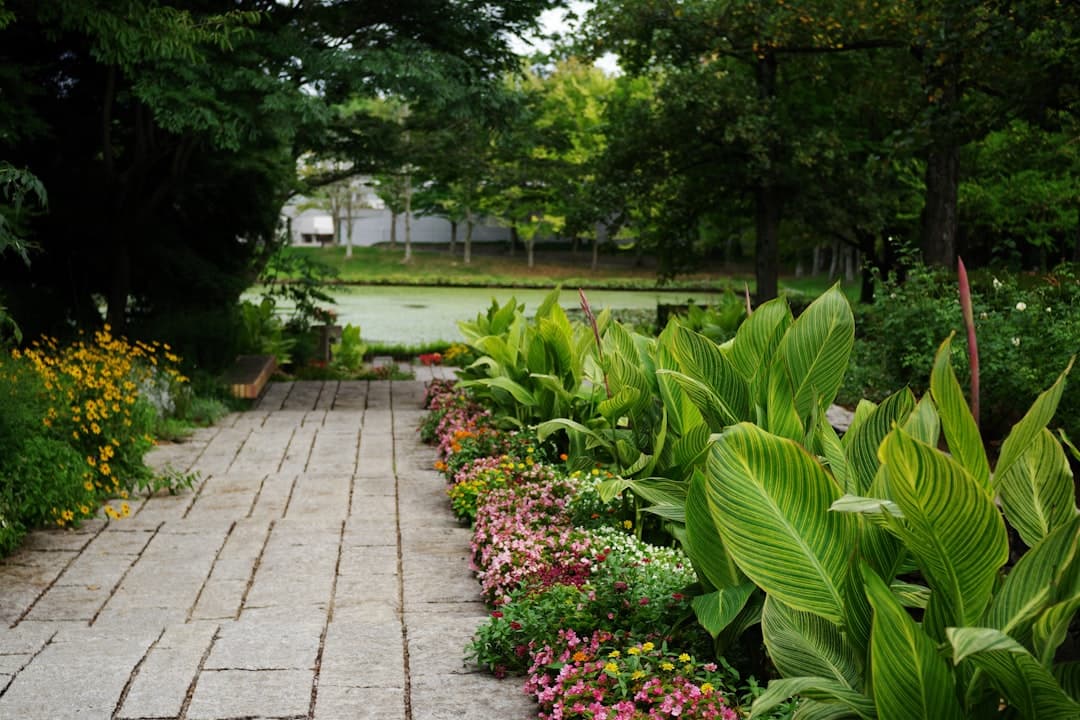
Softscaping includes planting trees/shrubs/perennials, building bed lines, amending soil, installing mulch, and sometimes adding edging.
2026 cost ranges (estimates):
- Softscaping projects: roughly $800–$10,000 (typical)
Source: Angi (2026) - Mulch (material): about $32–$40/yd for natural brown; $50–$60/yd premium cedar; $35–$45/yd dyed mulch
Source: Techo-Bloc (2026 report) - Topsoil (material): about $10–$50 per cubic yard depending on screened vs. unscreened and region
Source: Techo-Bloc (2026 report) - Plant pricing is extremely variable: flats of bedding plants around $13.65 (example), shrubs often $15–$75 (5-gallon), and larger trees can run hundreds (wholesale) before delivery/installation
Source: Techo-Bloc (2026 report)
Why softscape bids vary so much
- Plant size (5-gallon shrubs vs. mature specimens) changes cost fast.
- Soil reality (clay, fill, rocky soil) can require amendments and imported topsoil.
- Irrigation/no irrigation: planting without irrigation often increases plant loss risk, so pros may specify larger plants or more prep.
- Access and hauling: narrow side yards, fenced lots, or steep grades can turn “easy” mulch into labor-heavy wheelbarrow work.
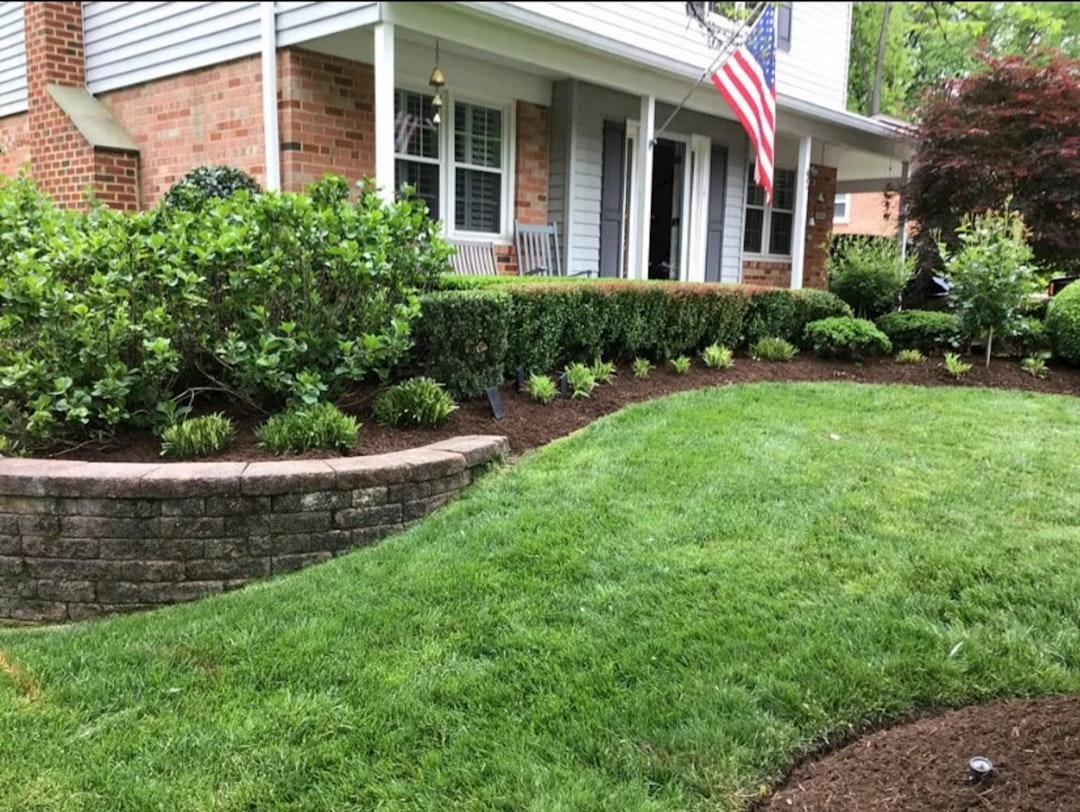
2) Lawn installation (seed, sod, artificial turf)
The “green carpet” portion of landscaping is often underestimated—especially on new construction where the topsoil was scraped or compacted during building.
2026 cost ranges (estimates):
- Sod installed: $1.00–$2.60 per sq. ft. (installed)
Source: Techo-Bloc (2026 report) - Seeding installed: $0.04–$0.18 per sq. ft. (installed)
Source: Techo-Bloc (2026 report) - Artificial turf installed: $6.00–$20.00 per sq. ft.
Source: Techo-Bloc (2026 report) - Angi also lists sod material around $0.35–$0.85/sq. ft. (materials only) and turf material $2–$6/sq. ft. (materials only). Source: Angi (2026)
What drives lawn cost swings
- Site grading and drainage: the turf/seed is often the cheap part; proper grading can be the expensive part.
- Soil prep: imported screened topsoil, compost blending, and rock removal can double the “lawn” number.
- Water availability: if you need irrigation to establish grass, you’re really budgeting a lawn + sprinkler system.
3) Xeriscaping and low-water landscaping
Xeriscaping typically replaces thirsty turf with drought-tolerant plants, rock/stone ground cover, drip irrigation, and permeable surfaces.
2026 cost ranges (estimates):
- Xeriscaping projects: $3,000–$24,000
Source: Angi (2026) - Xeriscape components from Angi (2026):
- rock/stone installation: $10–$25/sq. ft.
- irrigation (listed): $2.50–$4.50/sq. ft.
- artificial grass: $2–$8/sq. ft. (varies by scope/market)
Why xeriscape can cost more up front
- Rock/stone and landscape fabric/base prep can be labor/material intensive.
- Proper grading and drainage detailing matters more (rock beds can reveal pooling problems quickly).
- In some metros, drought-friendly landscapes can trigger HOA design review or city restrictions on front-yard conversions—adding time, redesign, or permit/admin costs.
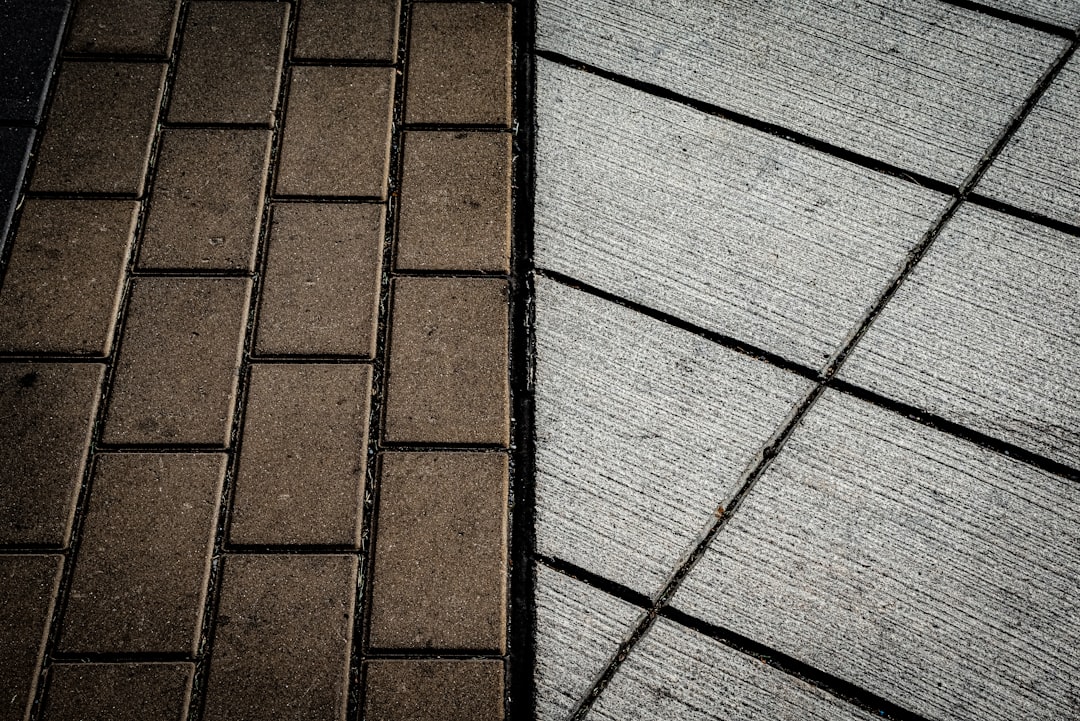
4) Hardscaping (patios, walkways, driveways, retaining walls)
Hardscaping is where landscaping starts behaving like construction construction: excavation, base compaction, drainage layers, edge restraint, and often engineering.
2026 cost ranges (estimates):
- Hardscaping projects: $300–$30,000 (broad category)
Source: Angi (2026) - Pavers (materials only): roughly $2–$25/sq. ft. concrete pavers; $4–$15/sq. ft. brick; $8–$30/sq. ft. natural stone; $12–$35/sq. ft. porcelain
Source: Techo-Bloc (2026 report) - Retaining wall blocks: $10–$28/sq. ft. materials, and $25–$110+/sq. ft. installed depending on whether it’s decorative vs. structural/engineered
Source: Techo-Bloc (2026 report) - Patio benchmark (mid-range paver patio ~450 sq. ft.): $8,500–$27,000 installed (average $17,750)
Source: Techo-Bloc (2026 contractor survey data in 2026 report)
Why hardscape costs vary wildly
- Base depth requirements depend on climate (freeze/thaw), soil, and loads.
- Drainage detailing (catch basins, daylight drains, permeable assemblies) can add thousands.
- Steps, seat walls, curves, borders, inlays: complexity drives labor.
- Engineering/permitting may be needed for taller retaining walls or walls near property lines.
5) Irrigation, drainage, and water management
This category is often the “invisible” cost that protects everything else. It’s also where local rules can force upgrades.
2026 cost ranges (estimates):
- Sprinkler/irrigation system installed: about $2,500–$6,500 (average), with pricing sometimes quoted per zone ($500–$1,500/zone)
Source: Techo-Bloc (2026 report) - Angi lists sprinkler systems under land prep items at $1,700–$3,550 (a smaller-range estimate). Source: Angi (2026)
Common scope adders
- Backflow preventer requirements and inspections (varies by city).
- Water pressure/flow problems needing larger supply lines.
- Drainage corrections: trench drains, French drains, dry wells, sump tie-ins—often discovered after the first heavy rain.
6) Outdoor lighting and electrical
Lighting sits at the intersection of landscaping and electrical work: trenching, wiring, transformers, timers, and fixture layout.
2026 benchmark (estimate):
- A “backyard lighting package with 15–20 LED fixtures” is cited at $4,500–$15,000 (average $9,750)
Source: Techo-Bloc (2026 report / contractor survey)
What changes the price:
- Distance from power, trenching difficulty, and whether you’re doing low-voltage vs. line-voltage.
- Fixture quality (plastic big-box vs. pro-grade brass/aluminum).
- Controls (smart timers, zones, scenes).
7) Outdoor living features (fire, kitchens, structures)
These often start as “landscaping” on the wish list, but they price more like specialty construction.
2026 benchmarks (estimates):
- Fire feature installed: $4,000–$14,000 (avg $9,000)
- Built-in outdoor kitchen: $13,000–$36,000 (avg $24,500)
- Seat wall/bench: $3,500–$11,500 (avg $7,500)
Source: Techo-Bloc (2026 report / contractor survey)
These features can trigger:
- gas plumbing, electrical, permits, inspections, and higher-grade foundations/base layers.
Labor, location, and permits: the “silent multipliers” in 2026
Labor rates (why one city’s quote shocks another city)
Labor is a major portion of landscaping—Angi estimates labor at 40%–65% of total landscaping cost (2026). Techo-Bloc’s 2026 report notes landscape construction crew billable rates often land at $50–$120/hr, with skilled specialties (design, architecture, arborists) higher.
Even with identical materials, regional labor markets change bids:
- Higher wage areas (many coastal metros) tend to price at the upper end.
- Areas with shorter outdoor seasons can have peak-demand pricing.
- Storm-prone regions may have higher costs for tree work and drainage solutions.
Permits and inspections
Permitting is not just for pools. Depending on your jurisdiction, you may need permits for:
- retaining walls above a certain height
- electrical for lighting
- irrigation backflow devices
- significant grading changes
- tree removal (some cities require permits for protected species/size)
Angi’s 2026 landscaping guidance notes building permit costs often fall around $500–$2,750 (where applicable), and they’re more likely for structural projects (pools, high walls, major tree removals).
Real-world examples: how the same “type” of landscaping becomes different projects
Example A: Basic curb-appeal package (starter scope)
- Seed or sod a modest front yard
- Two foundation beds with mulch and shrubs
- Simple edging cleanup
This might land in the low-thousands in many markets.
Example B: “Same house plan,” different lot (cost jumps)
Same house plan, but:
- the lot slopes toward the foundation
- clay soil holds water
- downspouts dump near walkways
- backyard needs a small retaining wall + drains
Now the “landscaping” is part grading/drainage and part hardscape—and can jump into five figures quickly.
Example C: Outdoor-living backyard (hardscape-led scope)
- 450 sq. ft. paver patio (benchmark average $17,750)
- Lighting package (benchmark average $9,750)
- Fire feature (benchmark average $9,000)
Before you add steps, grading fixes, or planting, you’re already well beyond what most people think of as “landscaping.”
How to budget landscaping intelligently (without fooling yourself)
- Separate softscape from hardscape from drainage. They price differently and use different subcontractors.
- Budget site prep as its own line item. Grading and hauling are where surprises live.
- Ask what’s included in “installed.” Base depth, fabric, edge restraint, disposal, permits, restoration.
- Expect regional pricing differences. Even within the same state, metro vs. rural labor markets can swing totals.
- Plan for phasing. Many homeowners do grading/drainage first, then patio, then planting later.
Key Takeaway
Residential landscaping in 2026 isn’t one cost—it’s a stack of variables: labor rates, material choices, site conditions, drainage requirements, permit rules, and design complexity. National averages (like $4.50–$12/sq. ft. for basic work, or $50–$120/hr crew rates) are useful for perspective, but they can’t tell you what your lot and your plan will require.
If you want a realistic budget, you need an estimate that accounts for your house plan details and your local market—not just a generic range.
See what a detailed, line-item cost report looks like (before you buy)
If you’re trying to avoid budget surprises—especially when your “landscaping” might include grading, retaining walls, irrigation, and outdoor living features—seeing a line-item breakdown is the fastest way to understand where the money actually goes.
- Try a free demo report to explore the format and level of detail before spending anything: Try a free demo report
- When you’re ready, you can order your custom Cost To Build report for your specific plan for $32.95: order your custom Cost To Build report
Costtobuildahouse.com has been providing cost-to-build reports for nearly 20 years—because the real cost of a home (and everything around it) is always specific to the plan, the site, and the location.