In this article
Cost To Build A 3000 Sq Ft House (2026)
If you’re trying to price out a 3,000 sq ft new home in 2026, you’ll see wildly different numbers online—and they can all be “right” depending on the plan, the site, and the zip code.
A realistic way to think about it is this:
- A 3,000 sq ft build can land anywhere from roughly $450,000 to $900,000+ for the house itself (not land), depending on location and choices.
- That wide range isn’t hand-waving—it’s the reality of construction pricing: labor markets, code requirements, foundation needs, site conditions, and finish level can swing the total by hundreds of thousands.
This guide uses current 2026 pricing indicators and explains why costs vary so much—so you can stop guessing and start budgeting with a plan-specific, location-specific estimate.
The “average” cost to build a 3,000 sq ft house in 2026 (and why averages mislead)
Many national summaries still quote a broad “typical” range for new builds—often around $150 to $300 per sq ft for standard-to-upgraded construction. For a 3,000 sq ft house, that alone implies a spread of:
- $150/sq ft → $450,000
- $200/sq ft → $600,000
- $300/sq ft → $900,000
That range is not just about “luxury vs. basic.” Two similar-looking 3,000 sq ft homes can price out very differently because the expensive variables aren’t always visible on a floor plan: engineering, local wage pressure, soil and drainage work, impact fees, wind/seismic requirements, and even short-load delivery charges.
A helpful baseline: state-level cost differences are huge
One 2026 state-by-state compilation pegs average build costs from about $154/sq ft (Mississippi) up to around $230/sq ft (Hawaii), with many states clustered in the $160–$190/sq ft band. That’s before you customize for neighborhood, site, and specs. (Source: TXR AC “Average Home Construction Cost: 2026 State-by-State Analysis,” published 2026-03-10: https://www.txrac.com/blog/average-home-construction-cost)
Applied to a 3,000 sq ft home, that state average spread alone suggests:
- $154/sq ft → ~$462,000
- $230/sq ft → ~$690,000
And that still doesn’t account for plan complexity, finish packages, or site development.
What you’re actually paying for: a 3,000 sq ft house cost breakdown (high-level)
Every builder estimates differently, and scopes vary (especially around site work and “owner items”). But most complete new-build budgets fall into buckets like these:
1) Site work & utilities (often underestimated)
This is where “same house, different lot” turns into a completely different price.
Typical 2026 budget range (estimates): $15,000 to $80,000+
Variables that drive it:
- Clearing, grubbing, grading, and export/import of dirt
- Rock excavation or unsuitable soils
- Long driveways, retaining walls, culverts
- Septic systems vs. sewer connection
- Well drilling vs. municipal water
- Power runs and trenching distance
- Stormwater requirements in your jurisdiction
A flat suburban infill lot with short utility runs can be “easy.” A sloped rural lot with rock and a long driveway can explode the budget.
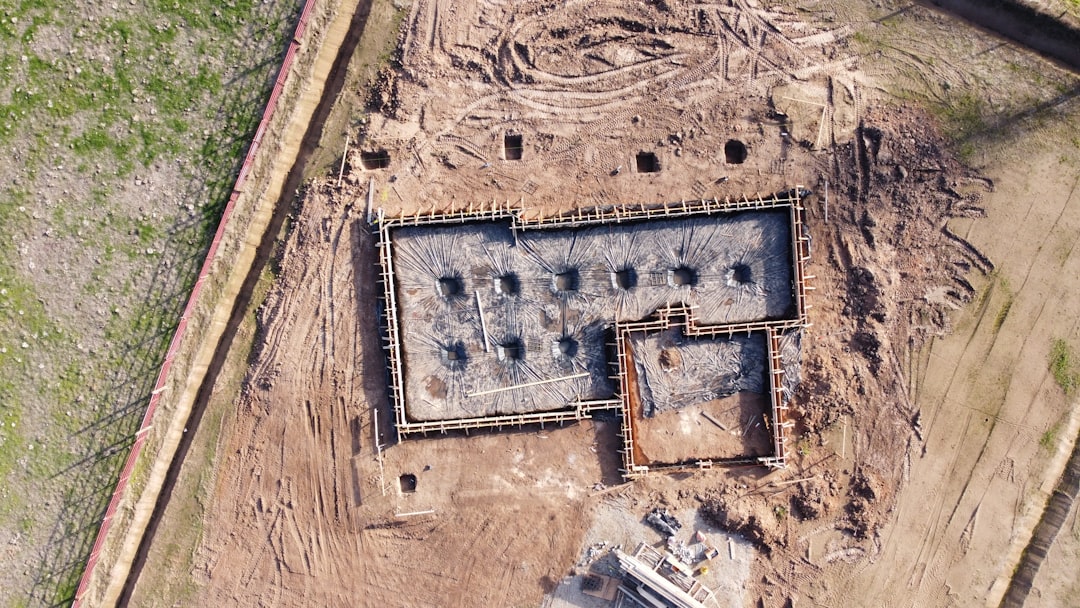
2) Foundation (slab vs. crawl vs. basement)
A 3,000 sq ft plan on a slab is often materially different from the same plan with a full basement (and the basement may or may not “count” in your square footage discussion, which adds even more confusion).
Typical 2026 budget range (estimates): $45,000 to $140,000+
Concrete is a major input here. Concrete Network’s 2026 update puts national ready-mix pricing at roughly $160 to $195+ per cubic yard, and notes typical installed slab costs around $6.50 to $10.50 per sq ft for a plain slab (materials + labor), with strong regional variation. (Source: ConcreteNetwork.com updated 2026-04-09: https://www.concretenetwork.com/concrete-prices.html)
Why that matters: when a local market jumps from “normal” to “busy,” concrete crews and pump availability can become scheduling bottlenecks—and scheduling bottlenecks become price pressure.
3) Framing package (materials + labor)
Framing is often the first time owners feel the budget swing in real time. Lumber pricing is volatile, and framing labor is heavily tied to local workforce availability.
As one real-world pricing signal, Trading Economics shows lumber around $571 per 1,000 board feet on April 13, 2026 (a market indicator, not your retail invoice). (Source: Trading Economics, updated 2026-04-13: https://tradingeconomics.com/commodity/lumber)
Even if lumber “settles,” framing totals can still rise because labor continues to push upward.
4) Labor isn’t a line item—it’s embedded everywhere
If there’s one 2026 construction theme that keeps showing up, it’s wage pressure.
Gordian (RSMeans data publisher) reported that construction labor wages entering 2026 were 4.6% higher than at the start of 2025, with broad increases across labor categories. (Source: Gordian press release dated 2026-03-10: https://www.gordian.com/press/construction-labor-wages-rose-last-year/)
That wage growth doesn’t just affect “labor lines.” It’s in:
- excavation
- concrete placement and finishing
- framing crews
- electrical and plumbing rough-in
- drywall hanging and finishing
- painting
- tile setters and finish carpentry
So even if some materials stabilize, total build cost can still climb.
5) Mechanical, electrical & plumbing (MEP)
MEP costs vary dramatically based on:
- how many baths and fixtures (a 3,000 sq ft home might be 2.5 baths or 4 baths)
- whether you have multiple HVAC systems/zones
- ceiling height and duct complexity
- electrical service size, EV charger readiness, backup generator prep
- energy code requirements (insulation, ventilation, equipment efficiency)
Typical 2026 budget range (estimates): $70,000 to $180,000+ for many 3,000 sq ft builds, depending on complexity and market.
6) Interior finishes: where “standard” becomes meaningless
Finish level is the most obvious driver—but it’s also the hardest to compare. Two homeowners can both say “mid-range,” while one is picturing stock cabinets and laminate tops and the other means semi-custom cabinets with quartz and a fully tiled shower.
Finish-sensitive categories include:
- cabinets & countertops
- flooring (LVP vs. hardwood; tile square footage)
- stair parts and railings
- trim package (paint grade vs. stained; crown and beams)
- shower/tub systems (fiberglass units vs. custom tile)
- window and door package
- appliance allowance
Typical 2026 budget range (estimates): $90,000 to $250,000+ for a 3,000 sq ft house, with “luxury” going higher.
Location matters more than most people think (and not just by state)
Averages by state are a start—but costs can swing within the same state because construction pricing is local and seasonal.
Here are common patterns you’ll see in 2026:
High-cost metros vs. secondary markets
Even in a “moderate” cost state, major metros can add premiums due to:
- competition for subcontractors
- traffic and delivery constraints
- stricter municipal inspections and documentation
- higher insurance and overhead
A builder pricing a home near a major metro may carry different labor burden and scheduling contingencies than a builder in a smaller market 90 minutes away.
Coastal/wind/seismic code premiums
Code requirements aren’t optional, and they cost real money. Depending on where you build, you may need:
- stronger roof-to-wall connections
- upgraded sheathing/fasteners
- impact-rated openings (certain coastal zones)
- seismic detailing and engineering
- higher-performance insulation, ventilation, and testing
That can add thousands (or tens of thousands) even before upgrades.
Permits and “soft costs” can be shockingly different
Homeowners often focus on “construction cost” but forget the non-construction budget that still must be paid to start and finish the project.
Soft-cost examples:
- building permits, plan review, inspections
- engineering (structural, soils, septic)
- surveys and staking
- impact fees (varies wildly by jurisdiction)
- temporary utilities and construction power
- builder’s risk insurance
These can run anywhere from a few thousand to $30,000+, depending on where you are and what’s required.

Why “cost per square foot” fails for a 3,000 sq ft plan
Cost per square foot is convenient—but it hides the exact things that drive the budget.
A 3,000 sq ft ranch often costs more per sq ft than a 3,000 sq ft two-story
Because a ranch usually has:
- more foundation perimeter
- more roof area
- often more site disturbance footprint
So even with the same square footage, the ranch can come in higher.
Complexity is expensive—even if square footage doesn’t change
A plan with:
- lots of corners and jogs
- multiple rooflines
- tall great-room ceilings
- large spans requiring beams/engineered members
- expansive glazing
…will typically cost more than a simple rectangle with standard spans and a straightforward roof.
The “same” spec means different dollars in different markets
A $65/hour labor market and a $95/hour labor market do not produce the same finished home cost—even if the materials list is identical. That’s why national averages can be dangerously comforting.
A realistic 2026 budgeting framework for a 3,000 sq ft build
Instead of aiming for one number, use scenario ranges and then narrow them down with plan- and location-specific estimating.
Scenario A: value-focused build (simple plan, standard finishes, easy site)
- Estimated $150–$185 per sq ft
- Estimated total: $450,000–$555,000
Most likely when:
- slab foundation, straightforward roof
- stock/semi-stock cabinetry
- modest fixture counts
- minimal site work and utility runs
- lower-to-mid cost market
Scenario B: mid-range “forever home” (typical custom build)
- Estimated $185–$250 per sq ft
- Estimated total: $555,000–$750,000
Most common when:
- upgraded windows/insulation package
- quartz/granite counters, tile showers
- more electrical options, better lighting plan
- crawlspace or partial basement
- moderate site work
Scenario C: high-end finishes or high-cost market (or both)
- Estimated $250–$350+ per sq ft
- Estimated total: $750,000–$1,050,000+
Common drivers:
- coastal/metro pricing, union-heavy labor markets
- complex architecture, large spans, premium window packages
- designer-level finishes and built-ins
- significant grading/retaining, challenging site access
Key Takeaway: there is no single “correct” 2026 cost to build a 3,000 sq ft house
A 3,000 sq ft build is not a product with a fixed price—it’s a project assembled from thousands of local prices and plan-specific decisions.
In 2026, three realities make the range especially wide:
- Labor keeps rising (RSMeans/Gordian reports wage growth around 4.6% entering 2026).
- Material inputs fluctuate (lumber is a moving target; concrete varies heavily by region and delivery).
- Location and site conditions can outweigh finishes (permits, utilities, soil, slope, code).
If you want a budget you can actually build from, you need a line-item estimate tied to your plan and your location—not a national average.
Next step: see a real line-item report (free), then price your specific plan ($32.95)
If you’re early in planning, it helps to see what a true construction estimate looks like before you spend a dime.
- Try a free demo report to explore the level of detail (trade-by-trade line items) and how the numbers are organized: Try a free demo report
When you’re ready to stop guessing and get numbers tailored to your design and region:
- Order your custom Cost To Build report for your specific house plan for just $32.95: order your custom Cost To Build report
costtobuildahouse.com has been providing detailed Cost To Build reports for nearly 20 years—because accurate budgeting has always required local pricing and plan-specific takeoffs, not one-size-fits-all averages.