In this article
Barndominiums (often called "barndos") have a reputation for being a cheaper, faster path to a custom home. Sometimes that's true — and sometimes it's not. A finished 2,000 sq ft barndominium with a 1,200 sq ft shop costs about $286,000 – $368,000 at a builder-grade finish and $332,000 – $427,000 at a mid-range finish in 2026 (national average, before land and site work) — the same per-square-foot rate as a conventional house, plus the shop.
In 2026, published national ranges still swing wildly because the same-looking barndominium can be a simple steel shell with basic finishes…or a high-end custom home with complex rooflines, upgraded insulation, premium windows, and a fully built-out shop. Your location can change costs just as much as your finish level: labor availability, permit rules, and delivery distances can move a budget by tens of thousands of dollars.
This guide uses our own cost engine's current rates — the same numbers behind every Cost To Build report — plus real-world cost drivers to show why a barndominium estimate is never "one number."
Free instant estimate · ~30 seconds
Quick Estimator
No sign-upRough planning range based on your inputs and current regional cost indices — not a quote. Your plan, lot, and selections move the number; the full report prices all 60+ items to your exact zip.
✓ Free — no sign-up · ✓ 60+ line items · ✓ ZIP-localized · ✓ Planning figures, not bids
Figures on this page come from the StartBuild cost engine — how we calculate.
The 2026 barndominium cost range (why the spread is so big)
Most "headline" cost ranges you'll find online are correct, but incomplete — because they mix apples and oranges (shell-only vs. finished, rural vs. metro, DIY vs. GC).
Here is how the commonly published numbers line up against a finished house:
- Materials-only shell kit: roughly $20–$35 per sq ft (BuildingsGuide, 2026). That's the engineered structure and outer skin — not the interior build-out. It's closer to "weather-tight building" than "house."
- Finished, standard builds: published ranges of $65–$160 per sq ft (BuildingsGuide, 2026) are common, and the low end of that range almost always describes a shell with owner-finished interiors or a very basic finish in a low-cost rural market.
- Finished to a normal house standard: our engine's $124–$193 per sq ft (Good to Custom) for the living area, nationally — which is where most turnkey barndominiums built by a general contractor actually land.
- Luxury / premium turnkey builds: architectural exteriors, premium mechanicals, designer finishes, large spans and complex roofs can exceed $300 per sq ft in high-cost markets.
So what's a realistic expectation?
- A modest finished barndo might land near $120–$175/sq ft in many markets.
- A mid-level finished barndo with upgraded windows, spray foam, custom kitchen, and a shop area can land around $175–$250/sq ft.
- A high-end build can exceed $300/sq ft.
The problem: you can't tell where you'll fall on that spectrum until you define what you're actually building.
Shell vs. finished: the #1 reason estimates don't match reality
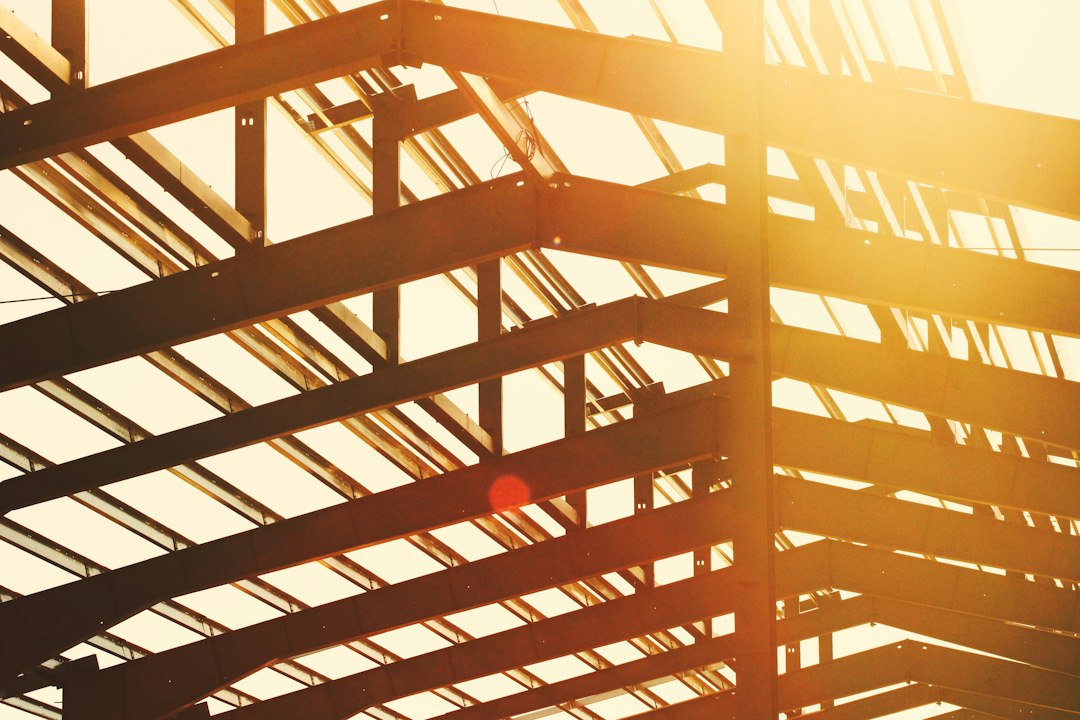
A big source of confusion is that barndominiums are often priced as kits or shell packages — and those numbers get shared online as if they represent a move-in-ready house.
By the time you add:
- slab or other foundation
- erection labor
- insulation and air sealing
- interior framing, drywall, trim
- plumbing, electrical, HVAC
- kitchens, baths, flooring, cabinets, lighting
- windows/doors upgrades
- permits, inspections, utility runs
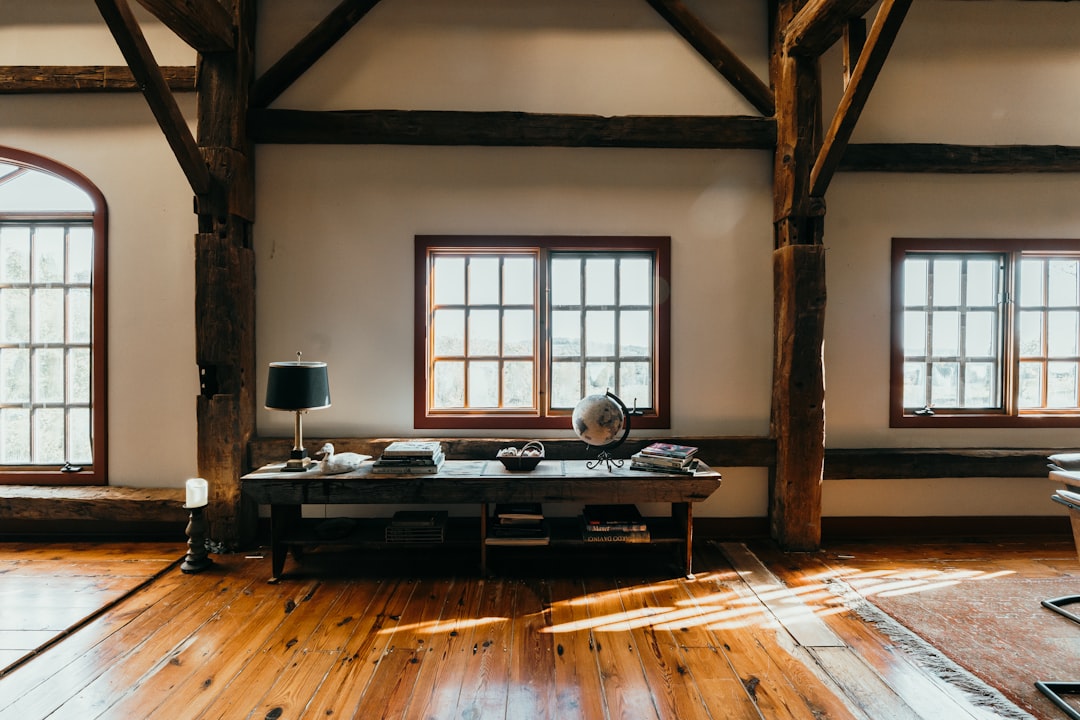
…you've entered "full home construction" territory — which is why finished barndos commonly price in the same universe as other custom builds. Compare the shell kit's $20–$35/sq ft with the tables above and you can see where the other $100+/sq ft goes.
Wondering what these ranges mean for your town? The free calculator above localizes them to your ZIP.
Get my barndominium estimate ↑What a finished barndominium costs in 2026
The cleanest way to price a barndominium is to price it the way a bank or an estimator does: the living space first, then the shop or garage and porches as add-ons. Our engine's September 2026 rates put a finished-to-house-standard living area at these national ranges (land, site work and utilities are extra — more on those below):
| Living area | Good (builder-grade) | Better (mid-range) | Best (upgraded) | Custom |
|---|---|---|---|---|
| 1,500 sq ft | $158,000 – $219,000 | $183,000 – $254,000 | $220,000 – $305,000 | $246,000 – $342,000 |
| 2,000 sq ft | $210,000 – $292,000 | $244,000 – $339,000 | $293,000 – $407,000 | $328,000 – $456,000 |
| 2,500 sq ft | $263,000 – $365,000 | $305,000 – $423,000 | $366,000 – $508,000 | $410,000 – $569,000 |
| 3,000 sq ft | $316,000 – $438,000 | $366,000 – $508,000 | $439,000 – $610,000 | $492,000 – $683,000 |
| 4,000 sq ft | $421,000 – $584,000 | $488,000 – $678,000 | $586,000 – $813,000 | $656,000 – $911,000 |
That works out to roughly $124/sq ft (Good) to $193/sq ft (Custom) for the heated, finished part of the house at the national average — before the shop.
Now add the part that makes a barndo a barndo. A 2,000 sq ft living area with a 1,200 sq ft shop and a 300 sq ft covered porch prices like this:
| Finish level | Living only | With 1,200 sq ft shop + porch |
|---|---|---|
| Good | $210,000 – $292,000 | $286,000 – $368,000 |
| Better | $244,000 – $339,000 | $332,000 – $427,000 |
| Best | $293,000 – $407,000 | $398,000 – $512,000 |
| Custom | $328,000 – $456,000 | $446,000 – $574,000 |
The shop adds about $75,000–$120,000 depending on finish level — unconditioned shop space is priced at roughly half the living rate in our engine, which matches what builders see in practice (slab, shell and doors, but no kitchens or baths).
Two more common configurations:
- 1,500 sq ft living + 1,200 sq ft shop + porch: $234,000 – $295,000 (Good) up to $364,000 – $460,000 (Custom)
- 2,500 sq ft living + 1,500 sq ft shop + 400 sq ft porch: $358,000 – $460,000 (Good) up to $557,000 – $716,000 (Custom)
If you want the engine's number for your square footage and ZIP code, the estimator on this page runs the same rates — and the cost to build a 3,000 sq ft house guide walks through what changes as the living area grows.
Barndominium cost by state (2026)
Location moves a barndominium budget more than almost any design decision. The same 2,000 sq ft living + 1,200 sq ft shop barndo, finished to the Better level, prices very differently across the states where barndos are most popular:
| State | Good | Better | Better $/sq ft (living) |
|---|---|---|---|
| Ohio | $265,000 – $330,000 | $307,000 – $383,000 | $131 |
| Tennessee | $291,000 – $363,000 | $338,000 – $421,000 | $144 |
| Oklahoma | $301,000 – $375,000 | $348,000 – $434,000 | $148 |
| Florida | $305,000 – $380,000 | $353,000 – $440,000 | $150 |
| Texas | $355,000 – $481,000 | $412,000 – $559,000 | $183 |
| Georgia | $423,000 – $573,000 | $490,000 – $664,000 | $218 |
| Colorado | $456,000 – $693,000 | $528,000 – $803,000 | $250 |
Rates are from our engine's September 2026 vintage for each state's largest metro area; rural counties in the same state often price lower on labor but higher on utilities and access (see site work, below). Every state has its own guide in our cost to build by state series.
Cost per square foot by size: why bigger barndos cost less per foot
Square footage matters, but not in a straight-line way. Larger builds often have a lower cost per square foot because fixed costs (mobilization, some utility work, permitting, certain engineering, driveway access) spread across more area — and because a bigger barndo is usually still a simple rectangle, so the extra square feet are the cheap kind.
Using the engine's Better-tier living-area rates, nationally:
- 1,500 sq ft: $183,000 – $254,000
- 2,000 sq ft: $244,000 – $339,000
- 2,500 sq ft: $305,000 – $423,000
- 3,000 sq ft: $366,000 – $508,000
- 3,500 sq ft: $427,000 – $593,000
- 4,000 sq ft: $488,000 – $678,000
A 3,000 sq ft barndominium with an 1,800 sq ft shop and a 400 sq ft porch lands at $498,000 – $640,000 at the Better level nationally; a 4,000 sq ft barndominium with a 2,000 sq ft shop and a 500 sq ft porch at $634,000 – $824,000. Those are the two sizes people ask about most — and they are where "barndos are cheap" stops being true unless the shop stays unfinished.
Why 2026 construction costs are still volatile (labor is the big one)
Material prices have calmed compared to the extreme swings of 2021–2022, but labor is still doing the heavy lifting in 2026 budgets. Gordian (publisher of RSMeans) reported construction labor wages up 4.6% entering 2026, with materials up 3.9% and equipment up 1.4% (Gordian, Mar 2026).
That matters because barndominiums are labor-intensive once you get past the steel shell: mechanicals, insulation strategy, interior framing, drywall finishing, and trim work all depend on skilled labor. The pattern in most barndo builds:
- The shell feels "predictable" once engineered and quoted.
- The interior finishing becomes the budget battleground, because it's a mix of materials + labor + subcontractor availability.
Big cost drivers unique to (or common in) barndominiums
1) Foundation choice: slab vs. basement vs. pier systems
Many barndominiums use a concrete slab, but "slab" isn't one standard thing. A plain poured slab runs roughly $6.50–$10.50 per sq ft for materials and labor, on concrete at $160–$195+ per cubic yard (Concrete Network, 2026) — and then real-world variables take over:
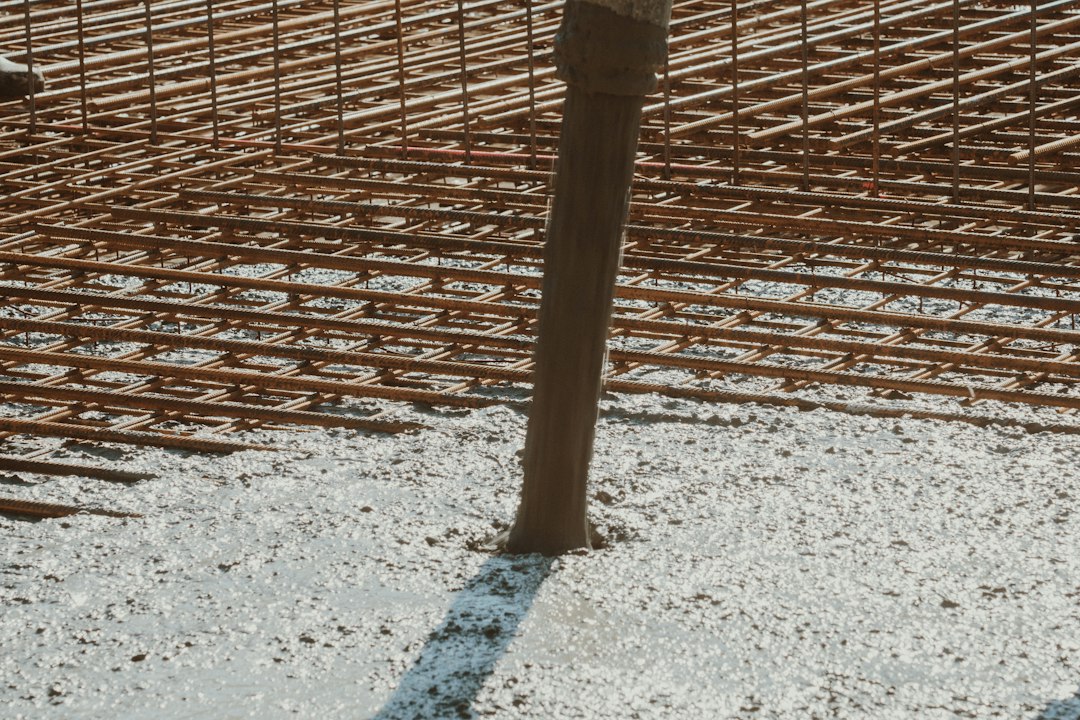
- thickened edges, turned-down footings, or grade beams (common in engineered metal buildings)
- higher PSI mixes, fiber reinforcement, rebar grids
- vapor barriers, insulation under slab, termite treatment
- radiant floor heating (which can be a major add-on)
A "simple slab" assumption is one of the easiest ways early estimates go wrong. Our residential foundations guide compares slab, crawl space and basement costs in more detail.
2) Insulation strategy (and condensation control)
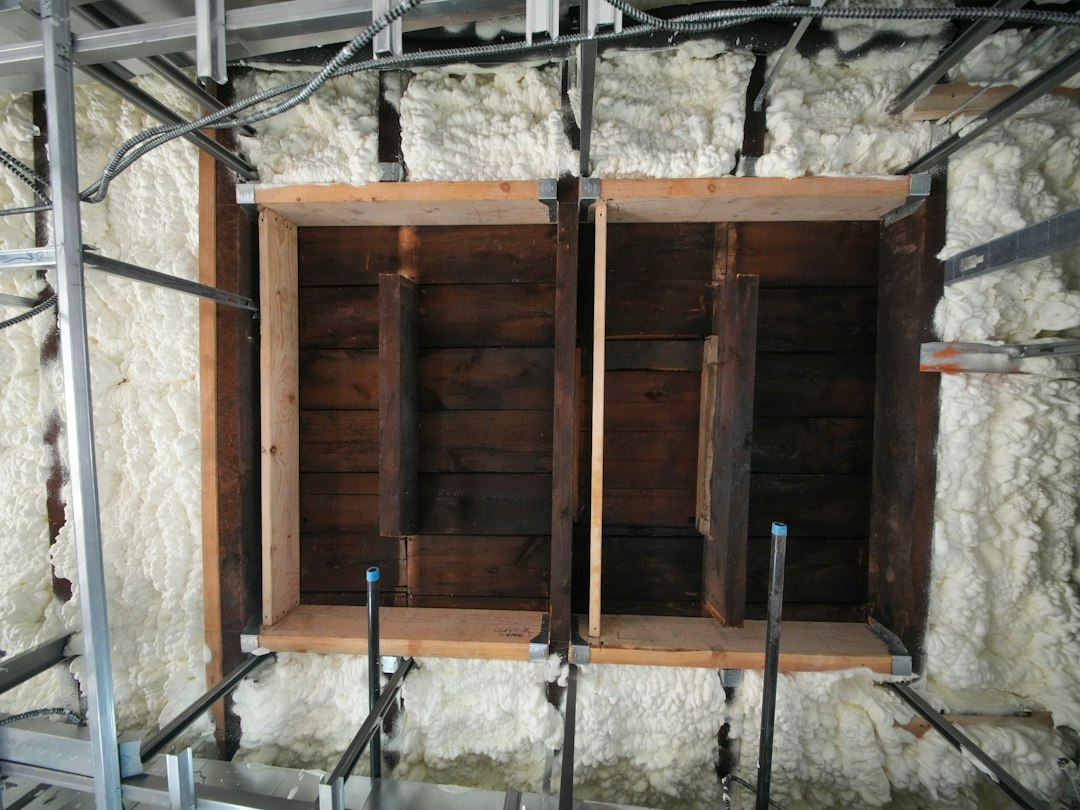
Steel buildings behave differently than stick-built homes. Condensation control, air sealing, and thermal bridging are real issues.
Common 2026 barndo approaches include:
- closed-cell spray foam (higher cost, often excellent air seal)
- hybrid systems (spray foam + batt or blown)
- insulated metal panels (IMPs) on some builds (premium path)
The difference between "basic fiberglass and call it good" and "high-performance envelope" can be tens of thousands — and it impacts HVAC sizing and long-term comfort.
3) Shop space, tall walls, and big doors
A barndominium with a 1,200 sq ft living area and a 1,200 sq ft conditioned shop is not the same as a 2,400 sq ft single-story rectangle.
Cost drivers here include:
- additional electrical capacity (subpanels, 220V/240V circuits, welding outlets)
- ventilation and makeup air
- thicker slabs in shop areas (for lifts/heavy equipment)
- oversized overhead doors and upgraded framing around openings
Conditioning the shop — insulating it and heating/cooling it — is the single decision that moves it from "half the living rate" toward the full living rate.
4) Windows and exterior "house-ifying"
Many owners want the barndo look outside but "custom home" feel inside — with large windows, porches, dormers, and multiple rooflines.
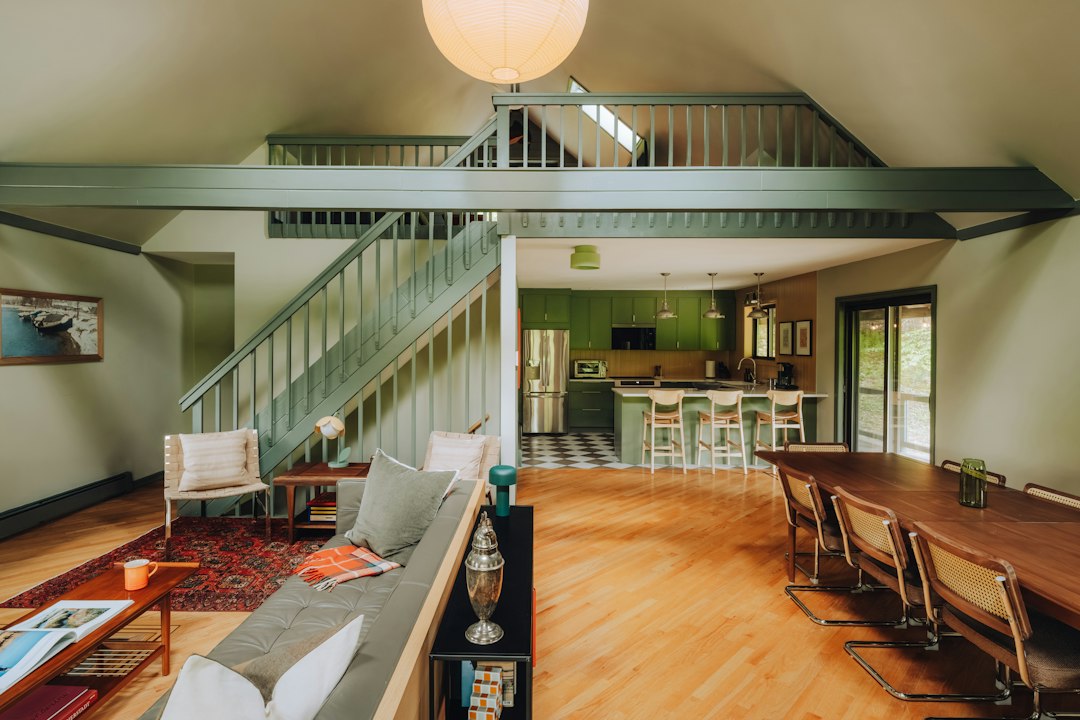
Design complexity is expensive in any construction type. Simple rectangles are efficient; architectural shapes add labor and risk. If what you really want is the farmhouse look with conventional framing, compare the cost to build a modern farmhouse — the budgets are closer than most people expect.
5) Site work and utilities (often the true budget surprise)
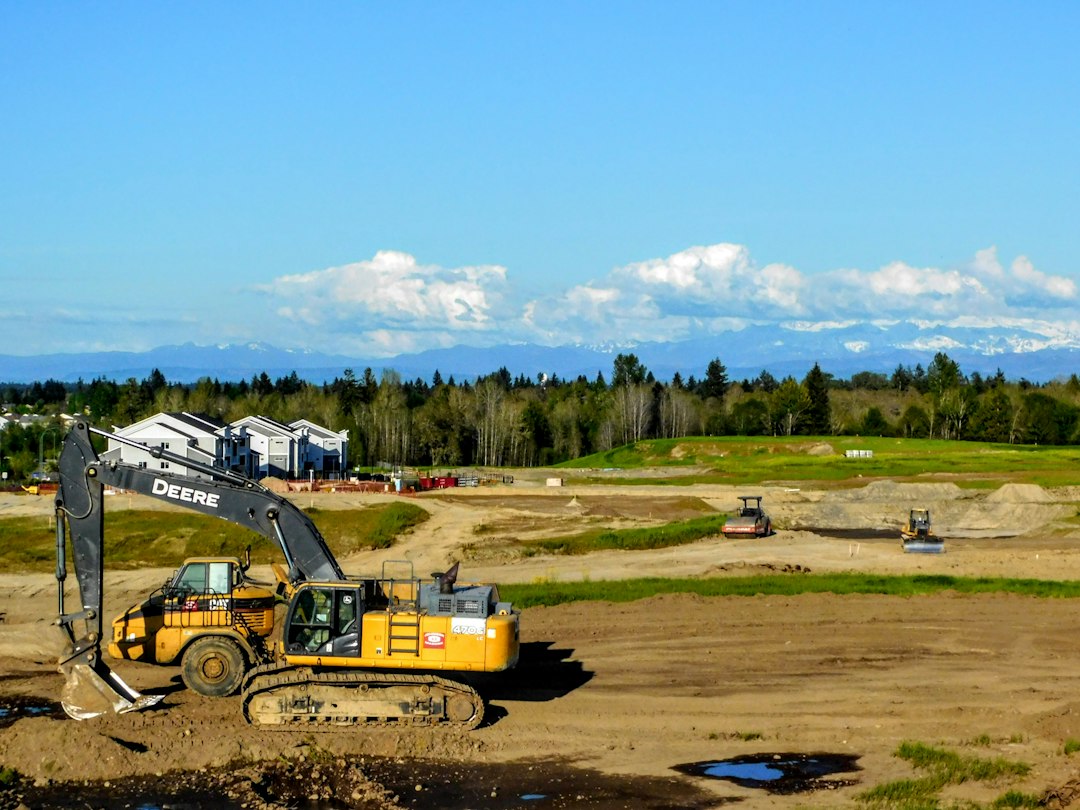
A barndominium is frequently built on rural land — and rural land often means "nothing is ready."
Bringing utilities to undeveloped land can add $30,000–$75,000 in some cases (BuildingsGuide, 2026). That might include:
- well drilling
- septic system
- trenching and electrical service runs
- driveway/road access improvements
None of that is in the tables above. Our guides on site work and utilities and septic systems vs. city sewer break those numbers out.
Material price snapshots that still influence your build
Even if your barndo uses a steel shell, lumber still matters for interior walls, cabinetry, trim, and sometimes roof systems, porches, and overhang structures. Two 2026 reference points: Gordian's RSMeans framing lumber national average was $872 per thousand board feet in January 2026, while the lumber futures market sat near $574 per thousand board feet in April (Trading Economics, Apr 2026). You won't buy lumber the way the futures market prices it — but that spread is why interior finish quotes can shift even when the steel package quote stays stable.
Regional and city-level cost differences (why "national average" fails)
The same plan can cost dramatically different amounts based on:
- labor rates and contractor backlog
- inspection/permitting complexity
- seismic/wind/snow load engineering requirements
- delivery distances (steel package, concrete, trusses, windows)
- union vs. non-union labor mix
- local competition among trades
The by-state table above shows the spread: the same barndo is roughly $130/sq ft in Ohio and $250/sq ft in Colorado at the Better level. Even within the same state, the delta between a major metro (higher labor, more regulation) and a rural county (lower labor, fewer subs) can be huge — but rural builds may bring higher utility and access costs that metros don't.
That's why a barndominium budget needs two location layers:
- regional labor/material pricing
- site-specific infrastructure needs
Barndominium vs. conventional house vs. modular
Three honest comparisons, same 2,000 sq ft of living space, national Better tier:
- Barndominium (living only): $244,000 – $339,000 — the same engine rate as a conventional house of the same finish, because a finished barndo is a house once you're inside the shell.
- Barndominium with a 1,200 sq ft shop: $332,000 – $427,000 — the shop is where the "extra" lives.
- Conventional 2,000 sq ft house: $244,000 – $339,000 plus a two-car garage at roughly $35,000–$45,000.
- Modular: often 10–20% less on the structure, but the site work, foundation and utility costs are identical — and the shop is usually a separate building.
The barndo's real advantage is not a cheaper house; it's a cheaper big shell. If you need 1,200+ sq ft of shop, garage or storage, it wins. If you don't, the savings mostly evaporate.
A realistic 2026 budget checklist (line items people forget)
If you're trying to compare quotes (or sanity-check online numbers), make sure you're accounting for the entire scope:
- Engineering (site-specific loads, stamped plans)
- Permits, plan review, inspections (can vary widely by jurisdiction — see our building permits guide)
- Foundation + flatwork (slab, porches, garage aprons, drive)
- Steel package (structure + panels + trim)
- Shell erection labor and equipment (crane, lifts, telehandler)
- Windows/doors (standard vs. upgraded packages)
- Insulation + air sealing + moisture/condensation control
- Interior framing + drywall + paint
- Electrical (service size, shop wiring, lighting packages)
- Plumbing (fixtures, water heater type, rough-in complexity)
- HVAC (volume/ceiling heights matter; ducting vs minisplits)
- Cabinets, countertops, flooring, trim, tile
- Appliances, fireplaces, built-ins (optional, but common)
- Septic/well/power trenching (if not on utilities)
- Driveway/culvert, grading, drainage, erosion control
- Contingency (commonly 10–20% for new builds)
This is where "shell is $60k" turns into "why am I at $350k?"
Frequently asked questions
How much does it cost to build a barndominium in 2026?
Nationally, a finished 2,000 sq ft barndominium with a 1,200 sq ft shop and a porch runs about $286,000 – $368,000 at a builder-grade finish and $332,000 – $427,000 at a mid-range finish, before land, site work and utilities. Without the shop, the 2,000 sq ft living area alone is $210,000 – $339,000 depending on finish.
Is a barndominium cheaper to build than a house?
The living space is not — it prices at the same $124–$193 per square foot as a conventional house of the same finish, because once you're inside the shell it is a house. What's cheaper is the shell around a large shop or storage area. If you need 1,200+ sq ft of shop, a barndo wins; if you don't, the savings mostly disappear.
How much does a barndominium cost per square foot?
About $124–$193 per square foot of finished living space (2026 engine rates, builder-grade to custom), with unconditioned shop space at roughly half that rate. Published shell-kit prices of $20–$35 per square foot cover only the steel structure and skin.
How much does a 3,000 sq ft barndominium cost?
About $498,000 – $640,000 with an 1,800 sq ft shop and a 400 sq ft porch at a mid-range finish, nationally; the 3,000 sq ft living area alone is $366,000 – $508,000. A 4,000 sq ft barndo with a 2,000 sq ft shop runs $634,000 – $824,000.
Which states are cheapest to build a barndominium in?
Of the popular barndo states, Ohio, Tennessee, Oklahoma and Florida price lowest in our engine — roughly $307,000 – $440,000 for the 2,000 sq ft + shop configuration at a mid-range finish — while Texas runs $412,000 – $559,000, Georgia $490,000 – $664,000 and Colorado $528,000 – $803,000. Rural counties are usually cheaper on labor than those metro figures but add well, septic and access costs.
Key Takeaway
Barndominium costs in 2026 are not a single number — they're the result of dozens of interacting decisions: shell vs. turnkey, foundation and insulation strategy, shop requirements, finish level, local labor rates, and (especially in rural builds) site prep and utilities.
Nationally, a finished 2,000 sq ft barndominium with a 1,200 sq ft shop runs about $286,000 – $368,000 at a builder-grade finish and $332,000 – $427,000 at a mid-range finish, before land and site work — and the same mid-range build starts around $307,000 in Ohio and $528,000 in Colorado. Published shell-kit numbers are a starting point for the structure, not a substitute for a line-item estimate of your plan in your location. That's how you avoid budget surprises.