In this article
Residential Roofing Options (2026)
Roofing is one of those line items that looks simple—“pick shingles, get a price”—until you try to budget it for a real build. In 2026, the same house plan can see dramatically different roofing totals depending on roof design, local labor conditions, code requirements, underlayment choices, wind/hail ratings, and even how easy it is to stage materials on your lot.
This guide walks through today’s common residential roofing options, with 2026 cost ranges, and—more importantly—shows why roofing is a perfect example of why construction costs are never “one-size-fits-all.”
Quick context: why roofing costs vary so much
Before comparing materials, it helps to define what you’re actually buying. A “roof” price on a bid typically includes many sub-costs, such as:
- Tear-off/disposal (for replacements) or substrate prep (for new builds)
- Decking repairs or upgrades (OSB/plywood, clips, re-nailing)
- Underlayment (felt vs synthetic vs peel-and-stick in valleys/eaves)
- Ice-and-water membrane extent (often climate/code-driven)
- Flashings (chimney, wall, step flashing, skylights, drip edge)
- Ventilation (ridge vent, box vents, intake soffit balance)
- Starter strip, ridge cap, hip/ridge accessories
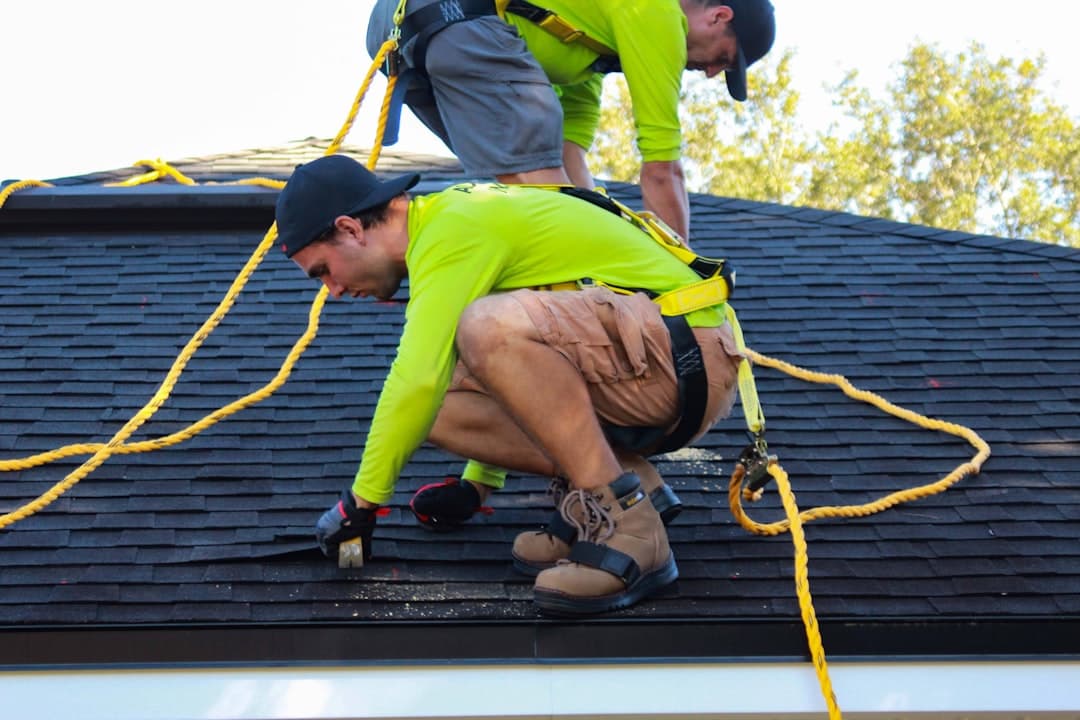
- Labor for steepness, height, and complexity (valleys, dormers, multiple roof lines)
- Jobsite constraints (limited driveway access, landscaping protection, crane needs)
- Permits/inspection fees (jurisdiction-specific)
Even the “size” isn’t straightforward: roof area is usually larger than your home’s floor area due to pitch and overhangs. Many contractors estimate waste and cuts at ~10% or more depending on complexity (valleys, hips, dormers). That waste factor alone can move totals by thousands on premium materials.
2026 installed cost ranges by roofing option (estimates)
Below are typical 2026 installed ranges you’ll see discussed across national pricing guides and homeowner survey-based sources. Use them as directional budgeting—not a substitute for a local bid.
-
Asphalt shingles (basic): about $4–$6 per sq ft installed (medium labor market, simple roof)
-
Asphalt shingles (architectural): about $6–$8 per sq ft installed
-
Metal roofing (varies by metal type): often $14–$41 per sq ft installed depending on material (steel vs copper, etc.)
Source for these ranges and roof-size examples: This Old House (updated 04/03/2026) notes basic asphalt $4–$6/sf, architectural $6–$8/sf, and metal systems ranging roughly $14–$41/sf by metal type.
(https://www.thisoldhouse.com/roofing/shingles-vs-metal-roof-cost) -
Shingle roof project totals: Angi (updated 03/18/2026) reports most homeowners spending $7,500–$24,000 for a shingle roof, with labor ~60% of the total, and permit budgeting often $250–$500 (varies by jurisdiction).
(https://www.angi.com/articles/how-much-does-shingle-roof-cost.htm)
The important thing isn’t memorizing a number—it’s recognizing how quickly your build moves from the “low end” to the “high end” once you add pitch, intersecting roof lines, upgraded underlayment, high-wind fastening patterns, and a high-cost labor market.
Asphalt shingles (still the default for many builds)
Asphalt shingles remain popular because they’re widely available, familiar to installers, and comparatively budget-friendly. In 2026, asphalt is still often the “base spec” in many plan budgets—yet even asphalt has multiple tiers that affect cost and long-term performance.
1) Basic 3-tab (or entry-level) asphalt
Best for: Lowest upfront cost, simple gable roofs, tight budgets
Typical 2026 installed cost (estimate): $4–$6/sf on a “standard” roof (per This Old House 2026 guide)
Where costs jump:
- Steeper pitch (more safety equipment, slower work)
- More cut-up roof geometry (dormers/valleys)
- Upgraded underlayment requirements
- High-wind zones needing enhanced nailing patterns or rated systems
2) Architectural/dimensional asphalt
Best for: Better aesthetics, improved durability, common “builder upgrade”
Typical 2026 installed cost (estimate): $6–$8/sf (per This Old House 2026 guide)
Architectural shingles often provide a better sweet spot for many homeowners because the price increase is real—but not as extreme as premium materials—while improving curb appeal and (often) wind ratings.
3) Composite shingles (synthetic blends)
These are designed to mimic slate/wood looks with less weight than real slate. Pricing depends heavily on brand, thickness, and local installer experience. They can be a strong option when an HOA wants a certain look without the structural cost of heavy materials.
Metal roofing: wide cost spread, wide performance spread
Metal roofing is where variability becomes obvious. “Metal roof” can mean exposed-fastener panels, metal shingles, or standing seam—and the installed price can swing dramatically depending on the metal type and detailing.
This Old House’s 2026 comparisons show metal roofs frequently costing much more than asphalt, with cost ranges by metal type such as steel, aluminum, zinc, and copper, and overall installed ranges that can reach into the $14–$41/sf band depending on material.
(https://www.thisoldhouse.com/roofing/shingles-vs-metal-roof-cost)
Exposed-fastener panels (often the budget metal)
Best for: Rural builds, barns/shops, some modern designs, cost-conscious “metal look”
Cost behavior: Can be significantly cheaper than standing seam, but requires careful detailing and long-term fastener maintenance.
Cost drivers:
- Higher-risk leak points (fasteners)
- Underlayment and flashing quality matter a lot
- Local code requirements for wind uplift
Standing seam metal (premium residential metal)
Best for: Modern aesthetics, longevity goals, snow shedding
Cost behavior: Higher material + higher labor (specialty install)
Why estimates vary so much:
- Clip systems, seam height, panel width, and substrate requirements vary
- More custom trim work at eaves/rakes/walls
- Skilled labor availability varies widely city to city
Metal type matters (steel vs aluminum vs copper)
Even within “standing seam,” the metal type can swing your budget dramatically. Copper is often in a category of its own (luxury), while steel/aluminum are more common. The same roof geometry can produce very different installed totals solely from coil/metal selection and accessory package.
Wood shakes/shingles: beautiful, but maintenance and code-sensitive
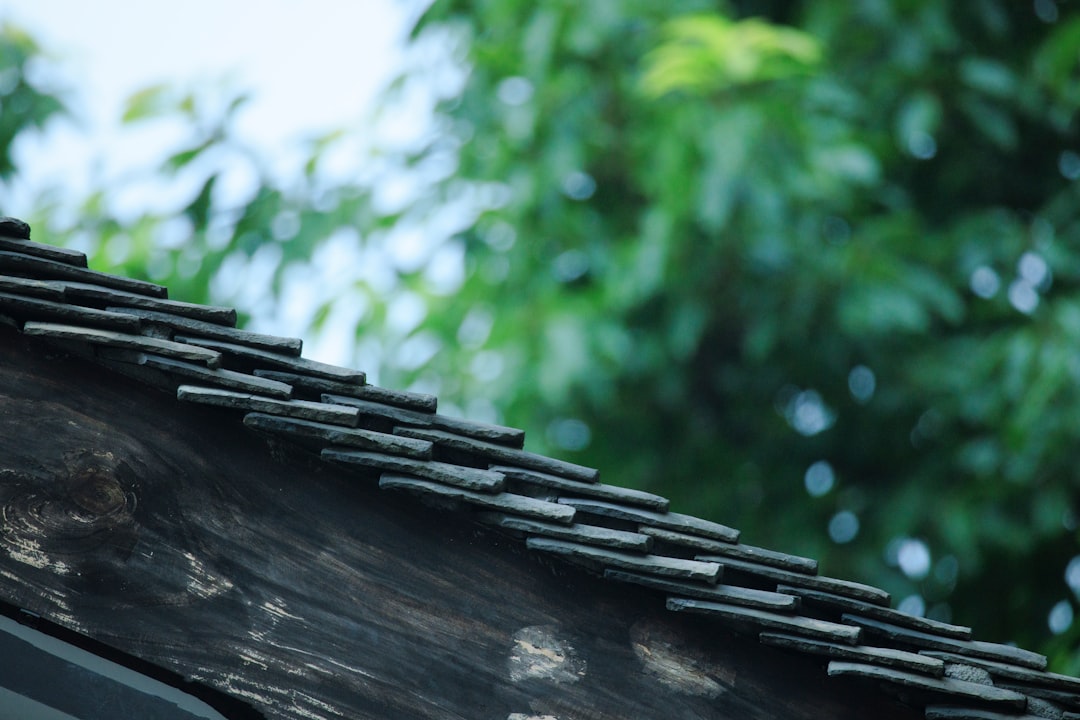
Wood roofing can deliver a distinctive architectural look, but it’s highly dependent on local wildfire codes, insurance considerations, and long-term maintenance tolerance.
This Old House’s 2026 cost table places wood shingles at roughly $11–$15/sf for a “standard” roof scenario (builder-grade assumptions).
(https://www.thisoldhouse.com/roofing/shingles-vs-metal-roof-cost)
Where budgets change quickly:
- Fire-rated assemblies and underlayment
- Local bans/restrictions in wildfire-prone areas
- Higher labor in markets where fewer crews install wood roofs
Slate and tile: premium materials with structural implications
Slate and clay/concrete tile often last a very long time, but they are heavy. That matters because “roofing cost” can spill into framing/engineering costs: heavier roof loads can require upgrades to trusses/rafters, connections, and sometimes bearing points.
This Old House’s 2026 shingle table shows slate commonly priced around $18–$25/sf in their standard scenario.
(https://www.thisoldhouse.com/roofing/shingles-vs-metal-roof-cost)
Key hidden cost drivers:
- Structural reinforcement or engineered truss design (plan-specific)
- Higher flashing/detail labor (tile and slate detailing is slow and specialized)
- Delivery/handling and breakage waste factors
Flat and low-slope options (common on modern designs and additions)
Many contemporary plans include low-slope roofs on portions of the home (porches, garage roofs, modern boxes). These assemblies aren’t “shingles,” and they often involve membranes (such as modified bitumen, PVC/TPO/EPDM), insulation strategy, and drainage detailing.
Why costs vary:
- Tapered insulation packages (to create slope to drains)
- Parapet walls and edge metal
- Number and type of penetrations (HVAC, skylights, vents)
- Local experience: membrane crews and pricing vary by metro area
If your plan includes mixed roof types (pitched main roof + low-slope sections), you’re effectively buying two roof systems and coordinating details where they meet—another common reason real bids diverge from generic “cost per square foot” rules.
Location and labor market: the silent multiplier
Roofing is labor-heavy. In many bids, labor can be the majority share—Angi’s 2026 shingle article states labor makes up about 60% of the total for shingle roofs.
(https://www.angi.com/articles/how-much-does-shingle-roof-cost.htm)
That’s why two homeowners choosing the same shingle can still see very different totals:
- High-cost metros (more expensive labor, higher overhead, tighter scheduling)
- Storm-recovery markets (temporary spikes in demand after hurricanes/hail)
- Rural areas (sometimes lower labor, sometimes higher mobilization costs)
Angi’s state examples underscore this spread: they cite higher averages in places like California (~$15,200) vs lower-cost states like Georgia (~$9,600) and Texas (~$9,700) for shingle roofs (project totals vary by assumptions).
(https://www.angi.com/articles/how-much-does-shingle-roof-cost.htm)
A practical way to think about “regional pricing”
Instead of asking “What does a roof cost?”, ask:
- “What does a roof cost in my county?”
- “Do local codes require ice-and-water at eaves/valleys?”
- “Is this a high-wind zone requiring rated assemblies?”
- “How busy are roofing crews this season?”
Those questions often explain the difference between a budget that works and one that comes up short.
Permits, inspections, and “small” line items that add up
Permits aren’t always huge, but they’re rarely zero—and they can be more complex than a single flat fee.
Angi notes budgeting $250–$500 for permits as a common range (jurisdiction-dependent).
(https://www.angi.com/articles/how-much-does-shingle-roof-cost.htm)
Additional line items that commonly appear:
- Disposal fees (especially tear-off projects; even new builds have packaging waste)
- Sheathing upgrades or spot replacements
- Ventilation upgrades (to meet current code or manufacturer warranty requirements)
- Skylight flashing kits and curb work
- Gutter/downsput changes triggered by drip edge or fascia updates
For new construction, you may not have “tear-off,” but you can have other jobsite costs: cranes for tile/slate, staging constraints, or higher safety requirements on tall/steep designs.
Roof design variables that can swing your estimate (even with the same material)
Here are the plan-specific factors that most often cause roofing bids to vary widely:
Roof pitch and height
Steeper and higher roofs increase labor time, safety setup, and sometimes staging equipment. Even a modest change in pitch can move labor cost meaningfully.
Complexity (valleys, hips, dormers, transitions)
Every valley means more cutting, underlayment detailing, and flashing risk. More intersections also mean more waste.
Roof area vs home size
Two homes can both be “2,500 sq ft,” but one has a simple two-plane gable and the other has a sprawling footprint with multiple wings. Roofing is priced by roof area, not living area.
Climate and code requirements
- Ice-and-water membrane extent in colder climates
- Enhanced fastening schedules in high-wind areas
- Impact-resistant shingle requirements or insurance-driven upgrades in hail regions
Access and site logistics
Tight lots, limited driveway access, steep grades, and protected landscaping can require more labor and careful debris management.
Key Takeaway
Residential roofing in 2026 isn’t a single choice—it’s a system with dozens of variables. National ranges like $4–$8/sf installed for asphalt and much higher ranges for metal, slate, or specialty systems are useful for orientation, but they can’t tell you what your roof will cost without accounting for roof geometry, pitch, code requirements, labor market, and the specific material/underlayment/flashing package your plan calls for.
That’s exactly why two “similar” houses can end up thousands (or tens of thousands) apart in roofing costs.
See what your roof line item really looks like (before you build)
If you’re trying to budget a new home (or compare plan options), roofing is one of the best places to get specific—because it’s so easy to underestimate when you rely on averages.
CostToBuildAHouse.com has been providing detailed cost-to-build reports for nearly 20 years, and the whole point is to replace guesswork with a line-item estimate that matches your plan and your location.
- Start by exploring the format: Try a free demo report to see exactly what you get.
- When you’re ready, you can order your custom Cost To Build report for $34.95—so you can plan with real numbers instead of broad ranges.