In this article
New Construction HVAC Cost (2026): Why “Per-Square-Foot” Pricing Can Mislead You
If you’re building a new home, HVAC can feel like it should be a clean, predictable line item: pick a system, size it for the house, install it, done. In reality, HVAC is one of the easiest places for bids to swing thousands (or tens of thousands) of dollars—often for reasons that have nothing to do with “getting ripped off.”
In 2026, homeowners commonly see HVAC budgets that range from “reasonable” to “wait… how is it that much?” because the HVAC scope is not a single product. It’s equipment + duct design + distribution layout + controls + ventilation + code requirements + labor market + climate design loads + the house plan itself.
That’s exactly why we built costtobuildahouse.com: to translate a specific plan into a detailed, line-item estimate for your location. We’ve been providing cost-to-build reports for nearly 20 years, and HVAC is one of the line items that proves why generic averages are only a starting point.
What does “new construction HVAC” include?
For a new build, “HVAC” usually means more than just a furnace and AC (or a heat pump). Depending on the plan and the market, the HVAC scope can include:
- Load calculations and system design (Manual J/S/D style sizing and duct design)
- Equipment (furnace, air handler, outdoor condenser or heat pump, coils)
- Ductwork (supply/return trunks, branches, boots, grilles/registers, dampers)
- Ventilation (bath fans, kitchen hood ducting, fresh air intake/ERV/HRV)
- Controls (thermostat(s), zoning panels, dampers)
- Refrigerant lines, condensate drains, pads/stands, line-set covers
- Startup/commissioning (airflow balancing, refrigerant charge checks)
- Permits and inspections
New construction can be cheaper than replacement in some ways (no demo), but it can also be more expensive because you’re building the entire distribution system from scratch and meeting today’s tighter energy and ventilation requirements.
2026 HVAC cost ranges (real-world estimates)
A useful way to think about 2026 HVAC cost is by scope level, not just “system type.”
1) Equipment change-out (not typical for new construction)
This is mostly for replacements, but it shows the “equipment-only” portion of a total. Angi’s 2026 cost data notes HVAC replacement commonly falls in the $5,000 to $22,000 range, with an average around $7,500, and totals can climb when ductwork and features are added. Angi also lists central AC equipment costs around $3,900–$7,900 (equipment range shown) and average installation labor around $1,500, with permits often $250–$400.
Source: Angi, updated Mar 6, 2026: https://www.angi.com/articles/insider-s-price-guide-new-heating-and-cooling-system.htm
For new construction, you can’t assume those totals—because the missing piece is usually ductwork and distribution design.
2) Full HVAC install in a new build (equipment + ductwork + basic controls)
For a typical single-family build, a realistic 2026 budgeting range often lands around:
- Smaller homes (1,200–1,600 sq ft): roughly $9,000–$18,000
- Mid-size homes (1,800–2,600 sq ft): roughly $12,000–$25,000
- Larger homes (2,800–4,000+ sq ft): roughly $18,000–$40,000+
Those are not “quotes”—they’re planning ranges. Your plan can blow past the top end if it has multiple systems, complex rooflines and chases, or high-performance requirements.
3) High-performance / advanced comfort packages (where budgets jump)
Costs climb quickly when the design includes:
- Multiple zones with motorized dampers
- Ducted or multi-head mini-splits across many rooms
- ERV/HRV ventilation tied to a tight envelope
- Dehumidification, media filters, UV, smart controls
- Higher efficiency equipment (SEER2/HSPF2/AFUE upgrades)
- Larger electrical upgrades to support all-electric HVAC
It’s not unusual for these packages to add $2,000 to $15,000+ depending on the feature set and the house.
Why HVAC costs vary so much in new construction
The house plan drives duct complexity (not just square footage)
Two homes can be the same size and have totally different HVAC costs based on layout:
- One-story ranch: shorter duct runs, easier attic access, often simpler returns
- Two-story with open-to-below spaces: longer runs, harder chases, more balancing
- Bonus room over garage: notorious for comfort problems; may require dedicated ducting, zoning, or separate equipment
- Basement vs slab: impacts where trunks run and how returns are routed
A plan that looks simple on paper can be expensive when there’s nowhere to hide ducts without soffits, dropped ceilings, or framing changes.
Climate zone changes equipment sizing and distribution strategy
HVAC is fundamentally a climate design problem. In hotter, humid regions, latent load (moisture removal) pushes design decisions. In colder regions, heating load drives sizing and may make dual-fuel or cold-climate heat pump selections more attractive (but not always cheaper up front).
Bigger loads can mean:
- higher capacity equipment (more tonnage / BTUs)
- more airflow, which can require larger ducts and returns
- additional systems for multi-level homes to improve comfort
Labor costs vary by region—and HVAC is labor-heavy
Even if equipment pricing were identical nationwide, labor is not.
The U.S. Bureau of Labor Statistics lists the median pay for HVAC technicians at $59,810/year ($28.75/hour) in May 2024. That’s wage data—not a contractor’s billable rate—but it helps explain why labor markets matter. A contractor’s installed price must cover payroll taxes, insurance, vehicles, supervision, warranty risk, overhead, and profit.
Source: BLS Occupational Outlook Handbook (last modified Aug 28, 2025): https://www.bls.gov/ooh/installation-maintenance-and-repair/heating-air-conditioning-and-refrigeration-mechanics-and-installers.htm
In 2026, you’ll see noticeably different installed pricing between high-cost metros (where wages, insurance, and permitting are higher) and smaller markets—even for the same plan.
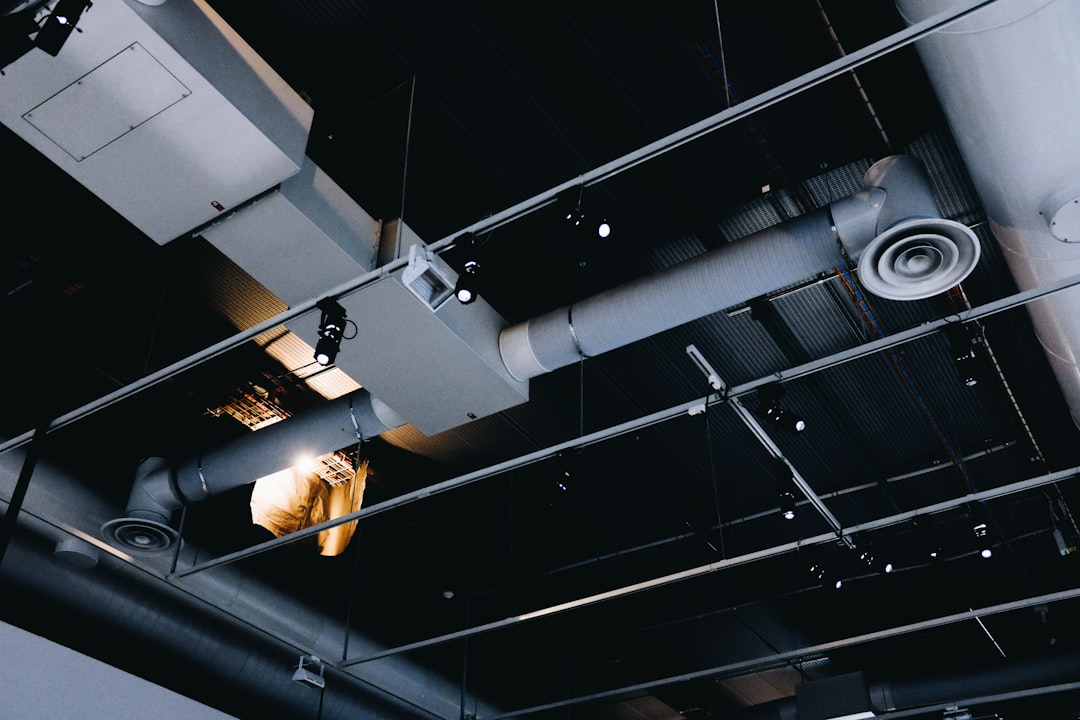
Ductwork can be “the hidden big number”
Ductwork is where new construction can swing wildly. Angi’s 2026 data notes ductwork installation can run $1 to $13 per linear foot, with an average around $3,500 in many projects—but new builds with long runs, many rooms, tall ceilings, or multiple returns can exceed that quickly.
Source: Angi (same page as above)
A key reality: the number of corners in your plan often matters as much as the number of square feet.
City and regional “pricing pressure” examples (planning-level)
Rather than pretend there’s one national price, it’s more honest to show how the same scope can land differently depending on local conditions. Here are planning-level examples for a mid-size new build (around 2,000–2,400 sq ft) with a ducted system:
- Southeast (e.g., Atlanta, Charlotte): often competitive HVAC markets, but humidity performance (proper sizing, dehumidification strategies) can add scope. Planning range: $12,000–$24,000
- Texas metros (e.g., Dallas, Houston): high cooling demand; larger equipment and airflow are common. Market can be competitive, but code/inspection and peak-season scheduling can move pricing. Planning range: $13,000–$28,000
- Midwest (e.g., Columbus, Indianapolis): mixed heating/cooling load; gas furnaces still common where available. Planning range: $12,000–$25,000
- Mountain/Cold regions (e.g., Denver, Minneapolis): heating load and comfort expectations can push design (returns, zoning, cold-climate equipment choices). Planning range: $14,000–$30,000
- High-cost coastal metros (e.g., Seattle, San Francisco Bay Area, NYC/NJ): labor, permitting, and business overhead often raise installed prices. Planning range: $18,000–$40,000+
These are not quotes—and they’re not meant to be. They’re here to prove the point: your location is a major cost driver, even before you talk about upgrades.
“System type” choices and how they affect new construction cost
Central split system (furnace + AC) vs heat pump
In many regions, a classic split system with a gas furnace and central AC is still common (when gas is available). In other areas, heat pumps dominate, especially in all-electric builds.
Angi’s 2026 ranges show:
- Central air: $3,900–$7,900 (equipment range shown)
- Heat pump installation: $4,200–$7,600 (range shown)
Source: Angi (same page)
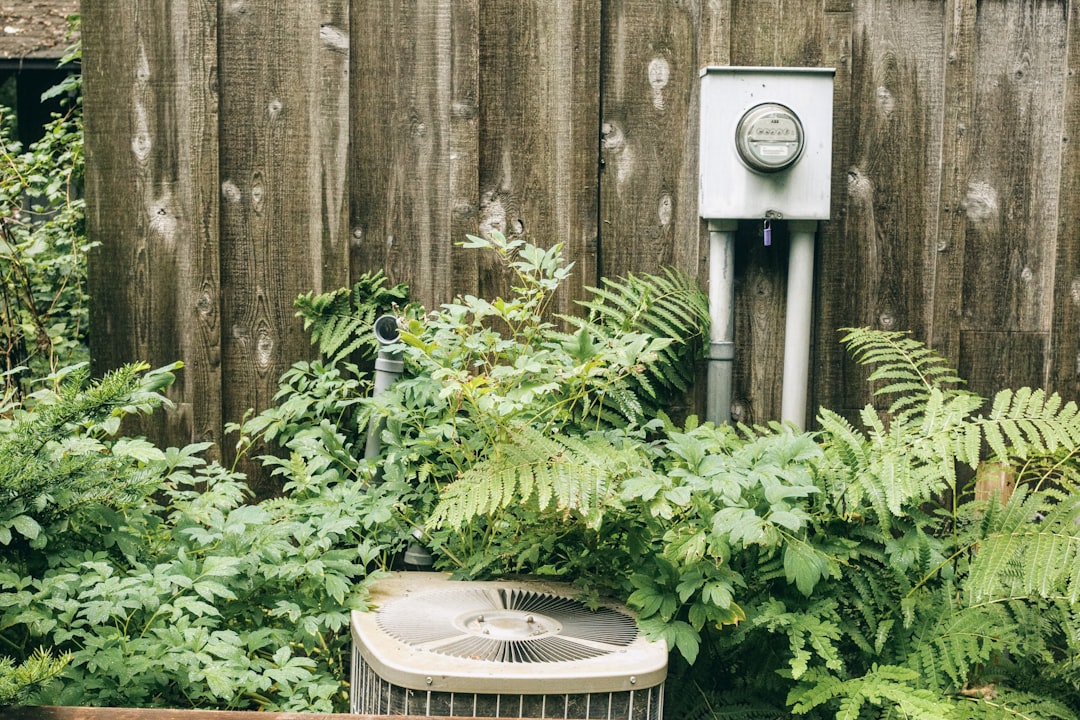
In new construction, the installed difference often depends less on the equipment line item and more on:
- electrical service needs (amps/panels)
- duct sizing and returns
- whether you add backup heat strategies
- code-driven ventilation and sealing requirements
Ductless mini-splits (and hybrid systems)
Mini-splits can be a great fit for certain plans (additions, bonus rooms, room-by-room control). But whole-house multi-zone designs can become expensive quickly because every indoor head and line set is a scope item. Angi lists ductless mini-split costs $2,000–$14,500 depending on how many zones.
Source: Angi (same page)
In new construction, mini-splits can be cost-effective in small, efficient plans—or expensive in large, chopped-up layouts where you need many indoor units.
Permits, inspections, and “small line items” that add up
Permitting rarely makes headlines, but it’s part of the real budget. Angi’s 2026 data shows HVAC permit costs commonly in the $250–$400 range in their example calculator, and additional factors list permits as $50–$500 depending on jurisdiction.
Source: Angi (same page)
Other “small” items that add up in real bids:
- Thermostat upgrades ($120–$260 in Angi’s 2026 figures)
- Added zones ($2,000–$3,000 in Angi’s 2026 figures)
- Insulation or air sealing coordination (can shift HVAC sizing and duct strategy)
- Builder scheduling (HVAC rough-in timing vs insulation and drywall)
- Long equipment lead times or substitutions
The biggest pricing traps homeowners run into
Trap #1: Thinking HVAC is priced “per square foot”
People love a clean metric like $X/sf, but HVAC is a systems-design cost. Two 2,400 sf homes can differ dramatically if one is a rectangle and the other is a multi-wing layout with vaulted ceilings and a bonus room over the garage.
Trap #2: Comparing bids that don’t match scope
One bid may include:
- more returns (better comfort)
- better duct sealing or balancing
- higher efficiency equipment
- an ERV/HRV or dedicated dehumidification
- zoning
- upgraded filtration
Another bid might be a bare-minimum code pass. The price difference can be real—but it’s not apples-to-apples.
Trap #3: Missing the “whole house” interactions
Your HVAC cost is tied to:
- insulation levels
- window specs and solar heat gain
- air tightness targets
- ceiling height and open spaces
- garage adjacency and bonus room conditions
A plan-level estimate that accounts for these interactions is far more useful than a national average.
Key Takeaway (what you should budget and why you need a plan-specific number)
In 2026, new construction HVAC costs can reasonably land anywhere from the low five figures to $30,000–$40,000+ depending on climate, plan layout, duct complexity, equipment choices, and local labor and permitting conditions. National averages are helpful for orientation, but they’re not a reliable “answer” for your build—because HVAC is a design-and-install scope, not a single product.
If you want fewer surprises, the goal isn’t to find the HVAC price. It’s to define your HVAC scope for your house plan in your zip code.
Ready to see what a real line-item HVAC budget looks like for your plan?
If you’re planning a build and want to understand costs the way builders and estimators do (by scope, quantities, and local pricing), start here:
- Try a free demo report to see exactly what you’ll get—line items, assumptions, and how costs are organized: https://startbuild.com/store/costtobuild/demo.aspx?returnUrl=https%3A%2F%2Fcosttobuildahouse.com%2Fget-started
- When you’re ready, order your custom Cost To Build report for your specific plan and location for just $34.95: https://www.costtobuildahouse.com/get-started
That way you’re not guessing off national averages—you’re budgeting from a plan-specific estimate built for the real world.