In this article
Custom Home vs Spec Home (2026): Why the “Cheaper Option” Isn’t Always Clear
If you’re deciding between a custom home and a spec home in 2026, you’ll find no shortage of quick answers like “spec is cheaper” or “custom costs more but you get what you want.”
The problem: those answers hide the reality that homebuilding costs are wildly variable. Two homes with the same square footage can land tens (or even hundreds) of thousands of dollars apart depending on the plan, site conditions, local labor market, and how the contract is structured.
This guide doesn’t try to give you a single number. Instead, it shows why costs vary so much—so you understand why a line-item estimate built for your exact plan and location is the only way to budget with confidence.
What “Custom Home” and “Spec Home” Actually Mean (and Why Definitions Matter)
Custom home (typical meaning)
A custom home is usually designed or heavily modified for a specific homeowner, then built to that homeowner’s selections. That often includes:
- Custom plan development or plan revisions
- More decision points (and more change orders)
- Higher finish flexibility (and higher finish risk)
- Longer schedule (often) due to selections, engineering, and procurement
Spec home (typical meaning)
A spec (speculative) home is built by a builder without a signed buyer at the start, using a plan and finish package the builder selects. A buyer may purchase it mid-build or after completion.
Spec homes often benefit from:
- Repetition of the same plan across a community (labor efficiency)
- Standardized finish packages (fewer surprises)
- Builder purchasing power and negotiated trade pricing
- Faster schedules (less waiting on owner decisions)
But here’s the key: a spec home can be high-end and a custom home can be value-engineered. The label alone doesn’t set the price.
2026 Cost Reality Check: Labor Is Still a Big Driver
In 2026, labor continues to be one of the most important cost variables—especially because labor markets are local and trade availability varies by city and season.
Gordian’s 2026 RSMeans data reported that construction labor wages rose an average of 4.6% entering 2026 (after similar increases in prior years), while material and equipment volatility moderated compared with earlier spikes. (Source: Gordian, March 10, 2026)
That matters because the labor portion of your build isn’t “one number.” It’s spread across excavation, concrete, framing, roofing, mechanicals, insulation, drywall, painting, trim, tile, cabinets, and more—each with its own local supply/demand.
Why labor hits customs differently than specs
Spec and production-style builders often:
- Keep the same trades working continuously
- Reduce downtime between phases
- Standardize details that reduce labor hours (not just material choices)
Custom projects can cost more when:
- Details are unique (more layout time, more rework risk)
- Owner selections change midstream
- Trades have to “figure it out” rather than repeat a known system
Materials in 2026: More Stable Than 2021–2023, Still Not “Fixed”
Even when material prices stabilize nationally, your real cost depends on what you’re building (complexity) and where you’re building (availability, freight, local markups).
A good example is framing lumber. Gordian’s RSMeans-based updates show the national average framing lumber cost at about $872.03 per MBF in January 2026. (Source: Gordian, January 15, 2026)
That’s a national reference point—not your invoice. Your framing package cost can swing based on:
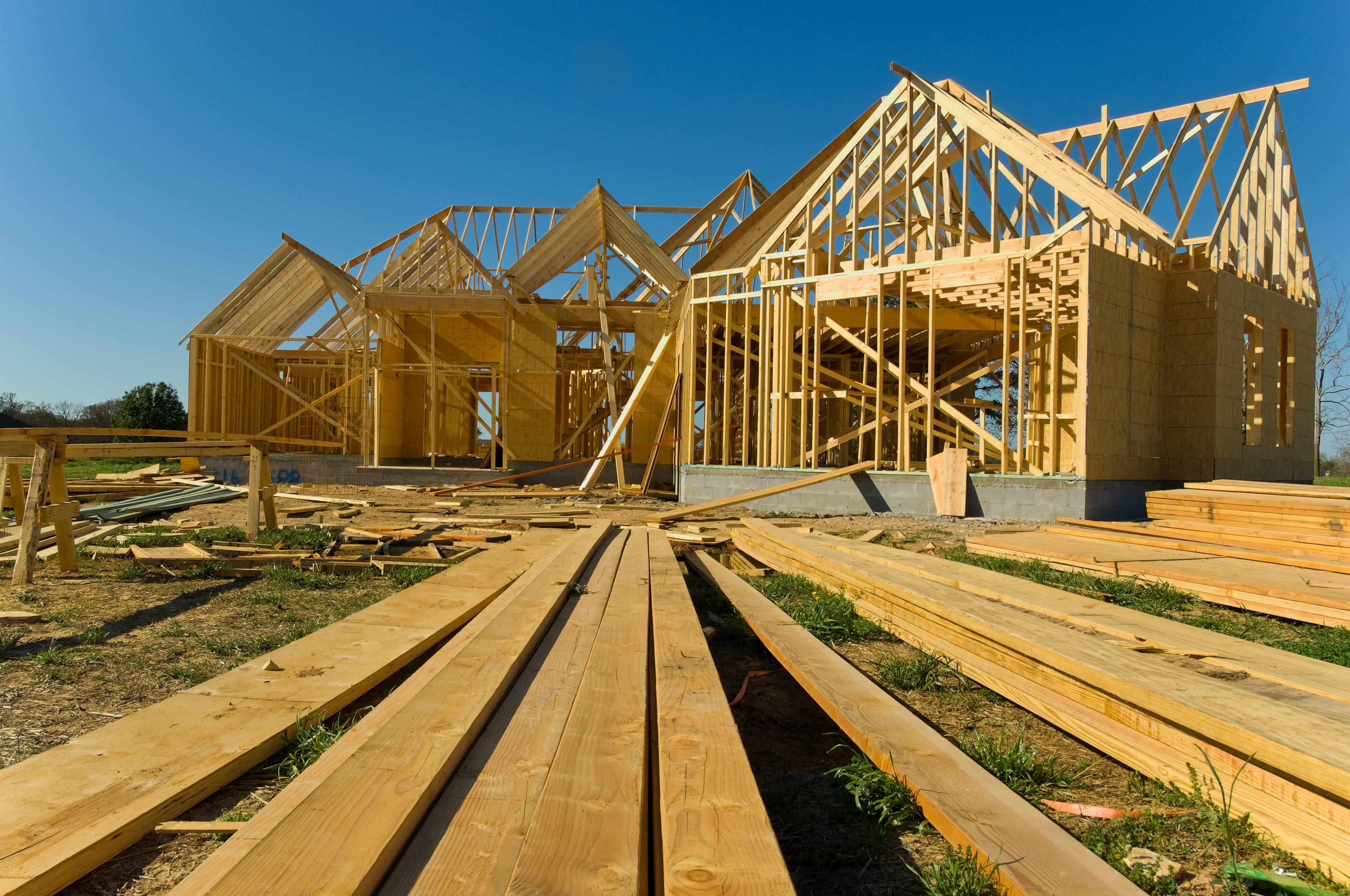
- Roof complexity (simple gable vs multi-hip with valleys)
- Ceiling heights and tall walls
- Cantilevers, engineered beams, and shear requirements
- Wind/snow/seismic code requirements
- Local supply chain and delivery costs
And it’s not just lumber. Concrete is another big one—especially for foundations, slabs, driveways, patios, and site walls. The Producer Price Index for ready-mix concrete manufacturing was around 256.7 (Dec 2003 = 100) in Feb 2026, reflecting how elevated concrete pricing remains compared to historical baselines. (Source: BLS via FRED, series PCU3273232732)
How materials can make a spec home “look cheaper”
Spec homes often control material costs by locking:
- A limited set of flooring SKUs
- Standard cabinet lines and sizes
- Stock trim profiles and paint systems
- Repetitive window/door schedules
Custom homes often cost more when you introduce:
- Large-format windows/doors (and structural headers to match)
- Mixed exterior claddings (stone + fiber cement + wood accents)
- Higher-end mechanical systems (dual-fuel, zoned HVAC, ERV/HRV)
- Premium plumbing fixtures with longer lead times

Regional Variation: The Same Plan Can Price Very Differently by City
One of the biggest budgeting mistakes is assuming a plan’s cost “travels” well.
A 2,400 sq ft plan built as a spec in one metro may price like a fully custom build in another because of:
- Trade availability
- Permit/impact fees
- Utility connection costs
- Climate/code requirements
- Site conditions and excavation difficulty
City-level examples of what can change quickly
Below are common city-dependent line items that routinely swing the total:
- Permits & plan review: Some jurisdictions are relatively predictable; others stack plan review fees, technology fees, and valuation-based permit costs.
- Impact fees / system development charges: Often charged per new dwelling or by square footage/bedrooms; can materially change the budget in growth markets.
- Utility taps: Water/sewer taps (or septic/well) and electrical service upgrades vary widely.
- Labor rates: A strong local construction market can push bids up even if national material prices are flat.
- Code-driven assemblies: High wind, wildfire, snow load, seismic, or energy code compliance can alter framing, roofing, windows, insulation, and HVAC scope.
In other words: spec vs custom is only part of the cost story. Location can be the bigger swing factor.
The Cost Structure Difference: Where Custom and Spec Often Diverge
Here’s a practical way to think about it. The total build cost usually includes:
- Direct costs (labor, materials, equipment)
- Indirect costs (supervision, temp utilities, dumpsters, insurance)
- Builder overhead & profit
- Financing costs (interest carry, draw fees)
- Contingency and change orders
Spec and custom can differ in several of those layers.
Schedule risk (and why time is money)
Custom builds often take longer because:
- selections are made later,
- changes occur midstream,
- custom subs are scheduled around other projects,
- unique items have longer lead times.
Longer schedule can increase:
- construction loan interest (carry)
- general conditions (site supervision, temp power, toilets, cleanup)
- risk of price changes on remaining scopes
Spec homes often compress schedule through repetition and pre-selection, reducing carrying costs and keeping trades moving.
Change orders: the “silent budget killer”
In many custom builds, the original estimate is only “complete” if the scope stays fixed. But homeowners commonly upgrade:
- flooring, tile, countertops
- lighting packages and electrical layout
- appliances, plumbing fixtures
- trim details (beams, wainscoting, built-ins)
- outdoor living (covered patios, kitchens, fireplaces)
Each change can include:
- the upgrade cost,
- additional labor,
- builder markup,
- delays (and their carrying costs).
Spec homes reduce that risk because the builder controls the finish package and pricing is typically set earlier.
Plan Complexity: Why Two Homes with the Same Square Footage Don’t Cost the Same
Square footage is a rough planning tool—not a pricing engine.
A 2,800 sq ft custom home with:
- a complicated roof,
- many corners and jogs,
- tall ceilings,
- extensive glazing,
- multiple exterior materials,
can cost more than a 3,200 sq ft spec home with:
- a simpler footprint,
- standard ceiling heights,
- fewer windows,
- standardized finishes.
Key design factors that swing costs (custom or spec)
- Foundation type: slab-on-grade vs crawlspace vs basement (and walkout basements can be in a category of their own)
- Structural requirements: long spans, steel beams, engineered shear walls
- Roof geometry: hips, valleys, dormers, pitch changes
- Window package: size, type, performance ratings, black frames, multi-slide doors
- Wet-area count: kitchens, baths, laundry rooms, bars (plumbing is expensive)
- Finish level: “builder grade” vs midrange vs high-end bespoke
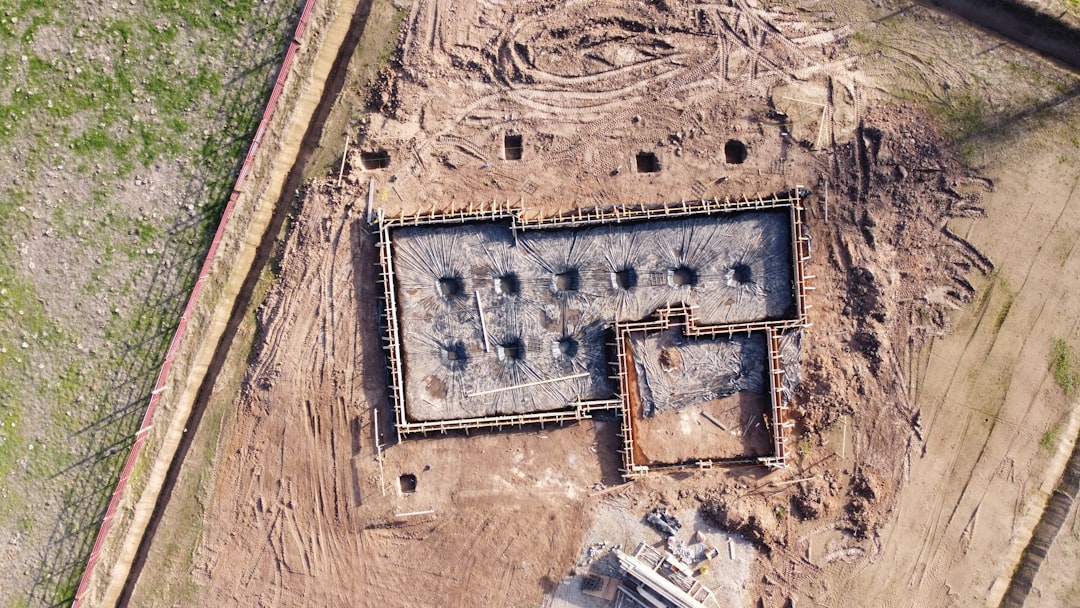
Site Prep: The Line Item People Forget (Until It’s Too Late)
Site costs can dwarf the “custom vs spec” difference, especially for custom homes built on individual lots.
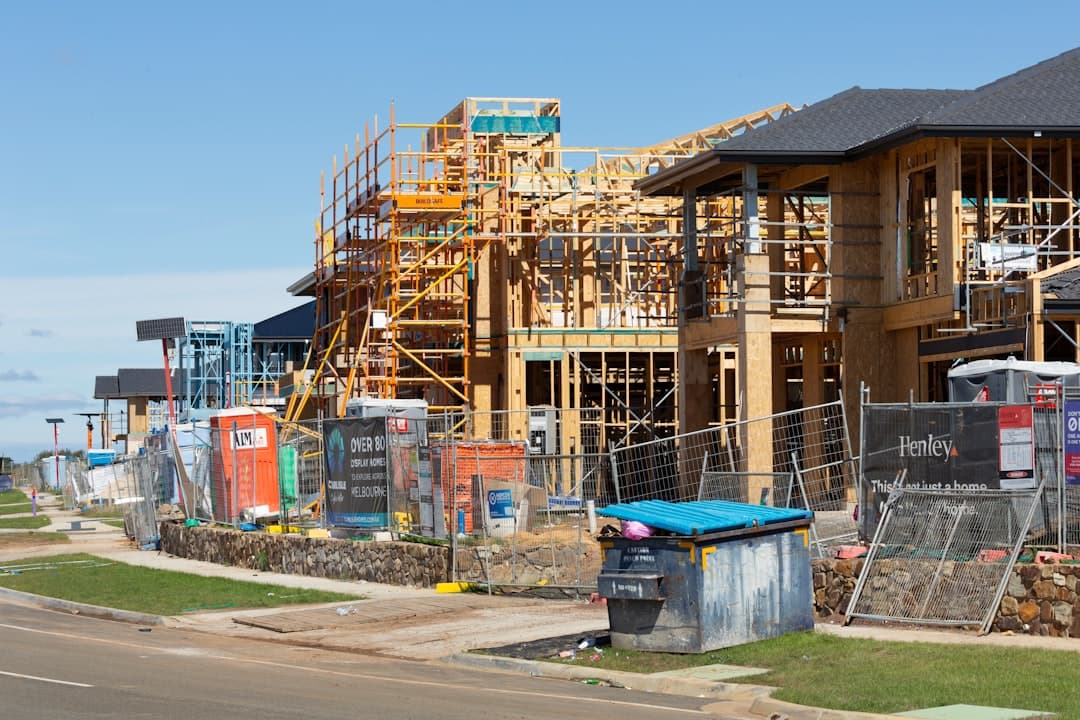
Spec homes in a subdivision often benefit from:
- mass grading done for the neighborhood
- known soil conditions (or already mitigated)
- established utility routes
- easier access for deliveries and dumpsters
Custom homes on a unique lot can face:
- rock excavation
- unsuitable soils requiring over-excavation or piers
- longer driveway and trenching runs
- retaining walls
- tree clearing, erosion control, stormwater requirements
This is one reason “custom costs more” can be true—but it’s not always the custom design. Sometimes it’s the custom site.
So… Is a Custom Home More Expensive Than a Spec Home in 2026?
Often, yes—but not always, and not by a predictable percent.
In many markets, spec/production building can be less expensive because of standardization and purchasing power. But a spec home can become costly when:
- it’s positioned as a premium product,
- it includes high-end finishes,
- it’s built in a high-cost labor market,
- or the builder priced in extra risk (or demand is strong).
Likewise, a custom home can be cost-controlled when:
- the plan is efficient (simple footprint/roof),
- selections are made early,
- allowances are realistic,
- the site is straightforward,
- and the scope is tightly managed.
Key takeaway: the “type” of home is less important than the details
The cost outcome is usually driven more by:
- location
- site conditions
- plan complexity
- finish scope
- labor market timing
- how well the scope is defined
Key Takeaway (Summary)
In 2026, the custom vs spec decision isn’t a simple price comparison. Labor wages continue rising (Gordian cites ~4.6% average increases entering 2026), major materials like framing lumber still fluctuate (Gordian cites ~$872/MBF national average in Jan 2026), and foundational inputs like concrete remain elevated (BLS/FRED PPI for ready-mix concrete around 256.7 in Feb 2026).
That’s why two “similar” homes can produce very different budgets. The only reliable way to plan is to price your plan, with your finish level, on your site, in your local market, with line items detailed enough to reveal where the money actually goes.
Next Step: See What a Real Line-Item Cost Report Looks Like (Free Demo + Low-Cost Custom Report)
If you want to move from “ballpark guesses” to a budget you can actually use, the fastest way is to review a line-item cost breakdown built like an estimator would.
CostToBuildAHouse.com has been providing detailed cost-to-build reports for nearly 20 years, and you can preview the format before you buy:
- Try a free demo report to interact with a sample and see the depth of line items.
- When you’re ready, you can order your custom Cost To Build report for your specific plan for just $34.95—so you can compare custom vs spec decisions using numbers tailored to your location and scope.