In this article
Cost To Build A House In New Jersey (2026)
If you’ve tried to get a straight answer to “How much does it cost to build a house in New Jersey?” you’ve probably seen numbers all over the map. That’s not because people are being vague—it’s because New Jersey home construction costs vary wildly based on where you build, what you build, how you build it, and what your site requires before a single yard of concrete is poured.
In 2026, you can still find broad statewide ranges (useful for early planning), but the moment you choose a house plan and a specific town, the estimate needs to become a line-item budget—foundation, framing, mechanicals, finish levels, permits, utilities, and sitework—priced for your exact ZIP code.
Below is a 2026, data-backed look at what drives costs in NJ, typical ranges you’ll see, and why two “2,400 sq ft houses” can come out hundreds of thousands of dollars apart.
Free instant estimate · ~30 seconds
Quick Estimator
No sign-upRough planning range based on your inputs and current regional cost indices — not a quote. Your plan, lot, and selections move the number; the full report prices all 60+ items to your exact zip.
✓ Free — no sign-up · ✓ 60+ line items · ✓ ZIP-localized · ✓ Planning figures, not bids
Figures on this page come from the StartBuild cost engine — how we calculate.
2026 New Jersey build cost ranges (why the spread is so big)
For 2026 planning purposes, many homeowners start with per-square-foot pricing. One widely cited 2026 range for NJ new construction is:
- $200–$350 per sq ft for a basic / builder-grade home
- $350–$600 per sq ft for a custom home with higher-end finishes
(Source: HomeGuide, updated Dec 4, 2025 and labeled for 2026)
Those ranges are not meant to be “the answer.” They’re meant to illustrate the problem: the same state contains everything from relatively straightforward inland builds to coastal flood-zone projects with elevated foundations, tight zoning, and higher labor/overhead conditions.
What those ranges look like in totals (examples)
Using the same statewide ranges as a starting point:
| Finished size | Basic build (est.) | Custom build (est.) |
|---|---|---|
| 1,800 sq ft | $360,000–$630,000 | $630,000–$1,080,000 |
| 2,000 sq ft | $400,000–$700,000 | $700,000–$1,200,000 |
| 3,000 sq ft | $600,000–$1,050,000 | $1,050,000–$1,800,000 |
Important: These are construction-only style ranges you’ll often see online. Your real project budget may also include land, major site prep, well/septic (if applicable), utility extensions, surveys/engineering, permit/impact fees, and owner selections that shift finish costs dramatically.
Where you build in NJ can move costs fast (metro vs. shore vs. rural)
New Jersey is a small state geographically, but it has multiple construction “micro-markets”:
- North Jersey / NYC-commuter towns: often higher labor and overhead; tighter access and staging; more complex approvals.
- Central Jersey suburban corridors: competitive builder markets, but costs still swing based on town requirements and finish expectations.
- South Jersey: often somewhat lower overall pricing pressure, but site conditions can still be costly (wet soils, drainage, etc.).
- Coastal Shore markets: flood compliance, wind exposure considerations, and higher demand for durable exterior packages can raise costs significantly.
One of the clearest signs of regional variation is labor: the “same trade” can price differently across metros.
For example, 2024 wage data (still highly relevant for 2026 budgets when escalated by market conditions) shows electrician pay varies by NJ metro area, such as:
- New Jersey median electrician wage: $35.14/hr
- Trenton-Princeton metro median: $40.35/hr
- NY–Newark–Jersey City metro median: $36.76/hr
(Source: CareerOneStop / BLS-based wage table for Electricians, 2024)
Those are wages—not contractor billing rates (which include burden, insurance, trucks, supervision, overhead, profit). But they illustrate why “NJ pricing” isn’t one number.
Wondering what these ranges mean for your town? The free calculator above localizes them to your ZIP.
Get my New Jersey estimate ↑The biggest cost drivers (why two similar homes don’t price the same)
1) Size is not the only “quantity” that matters
Cost per square foot changes with:
- Number of bathrooms/kitchens (plumbing + tile + fixtures)
- Complexity (corners, roof lines, ceiling heights)
- Structural spans (LVLs/steel, engineered trusses)
- Window/door package (quantity + performance ratings)
A compact 2,400 sq ft rectangle can cost far less per sq ft than a 2,400 sq ft layout with multiple bump-outs, bonus rooms, and a complex roof.
2) Foundation choice and site conditions
In NJ, foundations aren’t just a design choice—they’re often a site response.
Common ranges you’ll see for foundation-related work (varies heavily by site, access, and design):
- Foundation costs (broad NJ ranges): $10,000–$40,000 cited for major foundation category budgeting in NJ overviews
(Source: HomeGuide’s NJ cost breakdown table—use as a starting point, not a bid)
But the real swing comes from conditions:
- Full basement vs. crawl vs. slab-on-grade
- High water table (dewatering, stone, drainage)
- Rock excavation or unsuitable soils (over-excavate and replace)
- Coastal/elevated foundation systems (piles/piers/posts)
- Frost depth, insulation requirements, and stepped footings on slopes
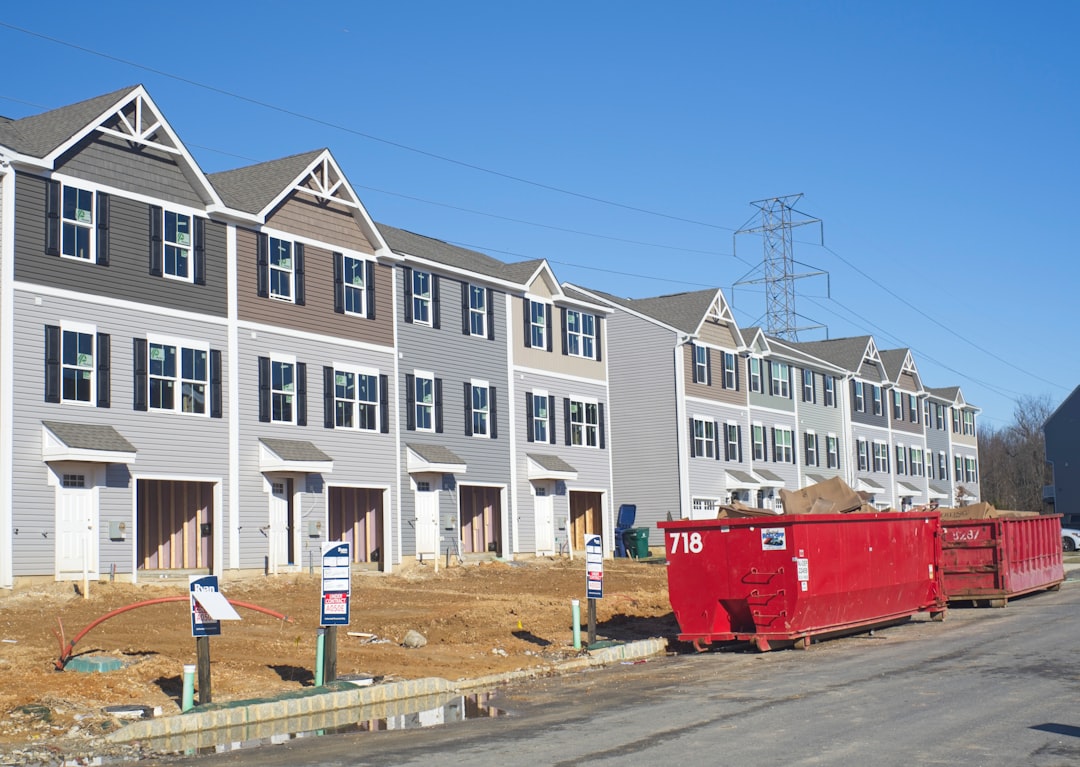
3) Framing & lumber package volatility (and complexity)
Framing cost is a combination of:
- Lumber/engineered wood package
- Labor productivity
- Roof system (trusses vs. stick framing; complexity)
- Sheathing, fasteners, hardware, and scheduling
A commonly cited framing range for a “typical NJ house” in general guides is wide:
- Framing: $23,000–$78,000 (broad category range)
(Source: HomeGuide)
That spread exists because framing reacts to plan complexity faster than most categories.
4) Mechanical systems (HVAC, plumbing, electrical) aren’t interchangeable
Even at the same square footage, pricing changes with:
- Heat pump vs. gas furnace + AC
- Zoned systems vs. single zone
- Ducted vs. ductless
- EV charger readiness
- Panel size, service upgrades, generator prep
- Fixture count and fixture quality (and long lead times)
General budgeting ranges often cited for NJ include:
- Electrical: $9,000–$24,000
- Plumbing: $8,500–$22,000
- HVAC: $8,000–$20,000
(Source: HomeGuide)
In reality, the moment you choose higher fixture counts, luxury showers, multiple HVAC zones, or upgraded electrical service, these categories can climb quickly.
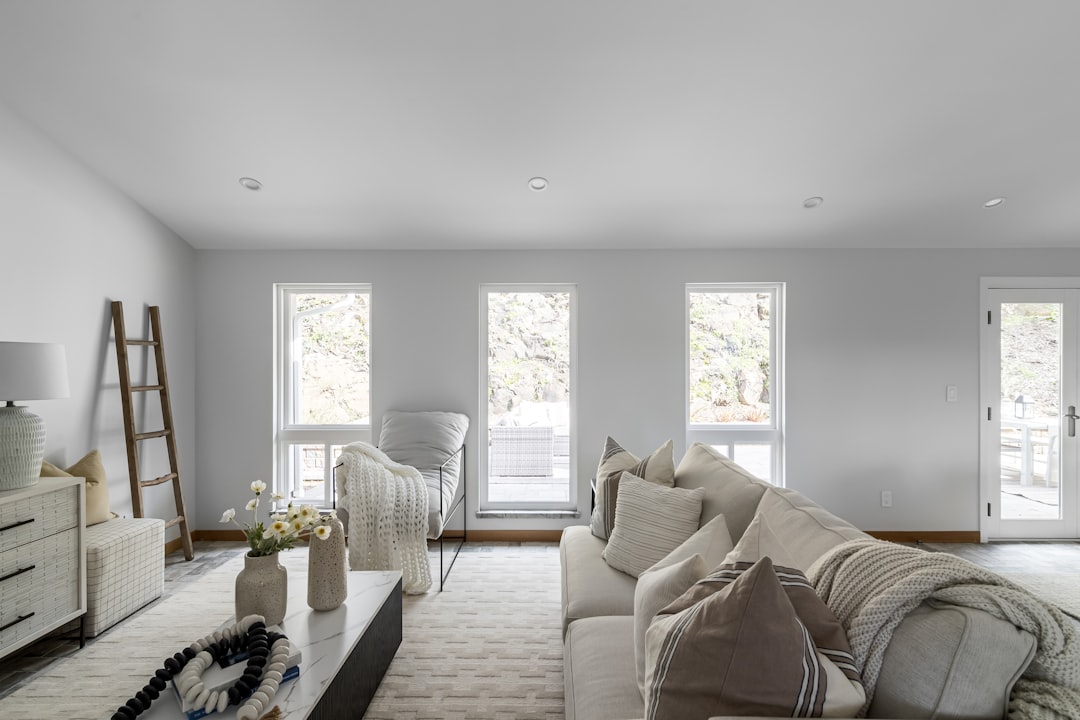
5) Interior finishes can dwarf the “structure” decisions
Interior finish costs are where homeowners most often “accidentally” blow the budget, because selections are personal and price ranges are enormous.
One 2026-oriented NJ guide puts this category at:
- Interior finishes & fixtures: $50,000–$250,000+
(Source: HomeGuide)
That’s the heart of the variability:
- Stock cabinets vs. semi-custom vs. fully custom
- Quartz vs. granite vs. premium stone
- LVP vs. hardwood vs. tile throughout
- Standard trim vs. upgraded millwork
- Basic lighting vs. layered architectural lighting
The same plan can be a “builder-grade” interior or a luxury interior—without changing square footage at all.
Permits and code fees: NJ is town-by-town, and can be cost-based
Permitting in New Jersey isn’t a single statewide price list you can rely on. Fees are often calculated from:
- Construction volume (for new construction/additions in some schedules)
- Estimated cost of work (especially for renovations)
- Multiple subcode components (building, electrical, plumbing, fire, etc.)
A real 2026 municipal example (Voorhees Township construction fee schedule) shows how fees can be computed and scaled:
- For certain residential use groups (R-3/R-5) based on estimated cost:
- Up to $50,000: $40 per $1,000
- $50,001–$100,000: $32 per $1,000
- Over $100,000: $27 per $1,000 (Source: Voorhees Township “Construction Fee Schedule” PDF dated 2/13/2026)
This doesn’t mean your town uses the exact same schedule—but it demonstrates why “permits cost $X” is rarely accurate statewide. Two identical homes can pay different totals based on:
- The municipality’s adopted fee schedule
- Declared vs. reviewed construction valuation
- Required reviews/inspections
- Local requirements tied to zoning, stormwater, or planning board approvals
Tip: When you see a generic “$2,000–$6,000 permits” estimate online, treat it as a placeholder until your builder confirms your municipality’s fee basis and likely approval path.
A more realistic way to think about the total budget (not just “cost per sq ft”)
A practical NJ new-build budget is usually a stack of interacting parts:
Hard construction (structure + systems + finishes)
This is the part people mean when they quote per-square-foot costs. In NJ, a planning band like $200–$600 per sq ft (depending on basic vs. custom) is commonly cited for 2026 context (HomeGuide).
Soft costs (often forgotten until late)
Common soft costs include:
- Architectural design and engineering
- Surveys (boundary, topo)
- Soil testing / geotech (especially important for foundation planning)
- Plan reviews and energy code documentation
- Construction-to-permanent loan fees (if financing)
- Builder insurance requirements and owner insurance updates
Sitework and utilities (where “surprises” happen)
These can be small or enormous depending on the lot:
- Clearing, grading, hauling
- Drainage and stormwater management
- Driveway length and material
- Retaining walls
- Utility trenching and connection fees
- Septic/well (if not on public utilities)
Even broad guides acknowledge the swing here; excavation and grading can range from a few thousand to $20,000+ on difficult terrain (HomeGuide).
A simple 2026 scenario comparison (same size, different outcome)
To show why a line-item estimate matters, consider two 2,400 sq ft builds:
Scenario A: “Straightforward inland build”
- Slab or standard basement, easy access, minimal rock
- Simple gable roof, standard window package
- Mid-level finishes, single-zone HVAC
- Standard driveway length and utility hookups
Result: could land nearer the lower-to-mid NJ ranges.
Scenario B: “Coastal or high-complexity custom”
- Elevated foundation or extensive drainage requirements
- Multi-bump-out design with complex roof lines
- Higher-performance windows/doors and durable exterior
- Premium kitchen/bath selections and multiple HVAC zones
- Longer lead times and higher contractor overhead
Result: can land in the upper custom ranges rapidly—even before landscaping, fences, or specialty outdoor features.
Key Takeaway: the “NJ cost to build” number is not the point
In 2026, it’s reasonable to start with statewide construction ranges like $200–$350/sq ft (basic) and $350–$600/sq ft (custom) as a planning lens (HomeGuide). But New Jersey pricing is ultimately determined by:
- Your exact plan (layout complexity, bathrooms, spans, rooflines)
- Your exact location (labor market, town requirements, access constraints)
- Your site conditions (soil, slope, water table, drainage, utilities)
- Your finish selections (the biggest swing category for many homeowners)
- Your permit path (town-by-town fee basis and approvals)
That’s why serious budgeting requires a detailed, location-specific, line-item estimate—not a single statewide average.
Ready for a real, plan-specific estimate? (Free demo first)
If you want to see what a detailed, line-item budget looks like before you buy anything, start here: Try a free demo report. It’s the easiest way to understand the level of detail you should be reviewing—labor, materials, and scope categories—so you can compare bids and make confident decisions.
When you’re ready to price your house plan in your New Jersey location, you can order your custom Cost To Build report for just $34.95. costtobuildahouse.com has been providing cost-to-build reports for nearly 20 years, and the whole point is to replace guesswork with a plan-based estimate that reflects how variable construction costs really are.