In this article
Cost To Build A House In Washington (2026)
If you’ve tried to get a straight answer to “How much does it cost to build a house in Washington?” you’ve probably seen numbers all over the map—and that’s not because anyone is lying. It’s because Washington is one of the most variable building markets in the U.S.
In 2026, two homes with the same square footage can land hundreds of thousands of dollars apart once you factor in region, labor availability, permit rules, site conditions, seismic/energy requirements, and the “you don’t see it on the plan” line items (utility trenching, rock haul-off, stormwater, retaining walls, etc.).
This guide uses current 2026 sources where available and focuses on one core idea: building costs are not a single number—you need a plan-specific, location-specific line-item estimate.
Free instant estimate · ~30 seconds
Quick Estimator
No sign-upRough planning range based on your inputs and current regional cost indices — not a quote. Your plan, lot, and selections move the number; the full report prices all 60+ items to your exact zip.
✓ Free — no sign-up · ✓ 60+ line items · ✓ ZIP-localized · ✓ Planning figures, not bids
Washington build costs in 2026: realistic statewide ranges (why the range is wide)
Think of “cost to build” in three different layers:
- Hard construction (house-only): the structure + standard site hookups (varies by definition)
- Soft costs: design, engineering, surveys, permits, plan review, financing, insurance
- Site + development: clearing, grading, driveway, septic/well, utilities, stormwater, retaining, tree work, demolition, etc.
Because sources define these differently, per-square-foot figures should be treated as starting points, not quotes.
Statewide benchmark (2026 estimate)
A 2026 state-level benchmark published in a national analysis places Washington around ~$193/sq ft on average, with a cited range of ~$185–$320/sq ft depending on project and location (typically reflecting “build cost” that may not include all site and soft costs). For a 2,500 sq ft home, that’s roughly $462,500–$800,000 before you even talk about land. (Source: TXR AC 2026 state-by-state construction cost analysis.)
Seattle-area custom home benchmark (2026 local builder guidance)
At the metro level, local builders show why the statewide average can be misleading. One Seattle-area custom builder notes typical custom home build costs around $450–$750 per sq ft (with “entry custom” around ~$350/sq ft and high-end builds exceeding ~$900/sq ft), plus separate ranges for pre-construction, utilities, and permits. (Source: Emerald City Construction, updated for 2026.)
Those numbers can both be “true” because they describe different segments of the market (production vs. custom, simpler sites vs. constrained infill, standard finishes vs. premium).
Regional cost differences inside Washington (city-by-city reality)
Washington construction pricing often breaks into three cost personalities:
1) Seattle / Eastside / high-demand Puget Sound (highest variability, highest ceilings)
If you’re building in Seattle neighborhoods or Eastside cities, costs are heavily influenced by:
- tighter sites (staging, access, traffic control)
- higher labor competition
- more complex permitting and reviews
- teardown/rebuild realities
- higher expectations for energy efficiency and finishes
A Seattle-area builder puts many custom projects in the $450–$750/sq ft range, with some higher. (Source: Emerald City Construction.)
2) Tacoma / Olympia / Kitsap / Snohomish (still expensive, sometimes more buildable lots)
These markets can be somewhat less extreme than Seattle proper, but can still swing hard based on:
- slope and drainage
- soil conditions
- commute-driven labor pricing
- utility extension distance (especially on larger lots)
3) Spokane / Tri-Cities / Central & Eastern WA (often lower labor pressure, but site and logistics can dominate)
Eastern Washington can come in lower on labor for some trades and may have simpler lots, but don’t assume it’s always “cheap.” Costs can spike from:
- longer material lead times
- fewer specialty subcontractors
- well/septic requirements outside municipal cores
- winter schedule impacts
One practical reason this matters: some municipalities publish permit fee schedules tied to valuation, and those valuation assumptions may not match your builder’s contract scope.
Wondering what these ranges mean for your town? The free calculator above localizes them to your ZIP.
Get my Washington estimate ↑Permits and plan review: why Washington “fees” can be a five-figure swing
Permitting isn’t just one fee. For many projects you’ll see combinations of:
- building permit + plan review
- mechanical/electrical/plumbing permits
- energy code compliance documentation
- grading permit
- clearing & tree review
- stormwater review
- utility connection fees / meter fees
- impact fees (depending on jurisdiction)
- inspections and hourly review charges
Seattle example: 2026 fee changes (real numbers)
Seattle’s SDCI published a 2026 fee summary showing:
- most fees increased ~6.5% year-over-year
- construction and master use permit fees increased ~18% year-over-year
- base hourly review rate: $292/hr (2026)
The same document gives example plan review + permit fees:
- 1,500 sq ft single-family house with garage: $6,853 (2026 plan review and permit fee example)
- 500 sq ft DADU: $3,453 (2026 example)
(Source: Seattle SDCI “2026 Fee Changes” PDF.)
That’s just one city, and it’s only part of the permit universe—but it illustrates why “permit costs” aren’t a rounding error in many Washington projects.
Spokane example: fee schedule mechanics (how valuation drives cost)
Spokane’s building permit fee schedule shows:
- a processing fee of $65
- a state building code fee for residential of $6.50 + $2.00 per additional dwelling unit
- permit fees based on “value of work” tiers, plus plan review fees (for new single-family residences, plan review is 50% of the building permit fee)
(Source: City of Spokane Building Permit Fee Schedule, 2025 PDF—still useful for understanding how fees are calculated and why “project valuation” matters.)
Why you should care: two builders can quote the same home differently (what’s included/excluded), which can change valuation-based fees and make “permit cost” estimates look inconsistent.
The biggest cost drivers (and how they change the numbers)
When someone says “a house costs $X per square foot,” they’re skipping the variables that can move the needle the most.
1) Plan size, shape, and complexity (the hidden cost multiplier)
A 2,800 sq ft rectangle with a simple gable roof is typically cheaper per sq ft than a 2,200 sq ft design with:
- multiple rooflines and valleys
- tall great rooms
- lots of corners and bump-outs
- oversized window packages
- cantilevers and structural steel
- complex waterproofing details
Why: complexity increases labor hours (framing, flashing, siding, roofing) and increases waste.
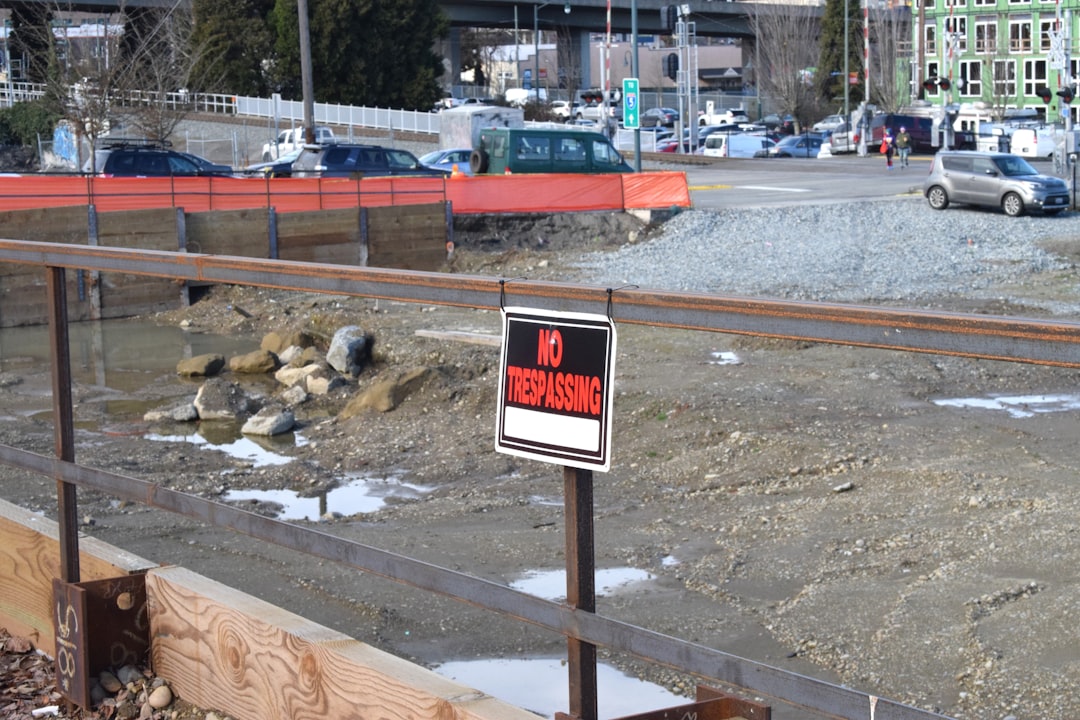
2) Site prep and “dirt work” (especially in Western WA)
Washington’s terrain makes site costs extremely volatile:
- slope = excavation + retaining + engineered walls
- wet soils/high water table = over-excavation, drainage systems, pumps
- tight lots = smaller equipment, slower work, hauling challenges
- tree removal requirements and replacement rules can add time and cost
For many builds, site work can swing from “manageable” to “budget-defining” fast.
3) Foundation type (and why it’s not just preference)
Common options include slab-on-grade, crawlspace, and basement. Costs shift with:
- soil bearing and drainage requirements
- frost considerations in some regions
- seismic detailing
- insulation and moisture control strategy
- daylight basement opportunities on slope lots (which can add value, but also cost)
A basement can look attractive in square-foot terms (more usable space), but it also adds excavation, waterproofing, drainage, and sometimes engineered shoring—especially on constrained sites.
4) Structural requirements: seismic + wind + engineering
Washington’s seismic risk means engineering and detailing can matter more than in many inland states:
- more hold-downs, straps, connectors
- shear walls and engineered panels
- foundation reinforcing and anchorage
- larger beams for open concepts
Those costs are rarely captured in simplistic online calculators, but they show up clearly in line-item estimating.
5) Energy code expectations (and “better-than-code” decisions)
Even when code minimums are met, many Washington buyers choose upgrades that add upfront cost but reduce long-term energy use:
- higher-performance windows
- heat pumps and duct design
- tighter air sealing + ventilation systems
- extra exterior insulation or better wall assemblies
These upgrades aren’t inherently “optional” in the market sense—buyers often expect them—so they can shift the “typical” build baseline depending on location.
6) Labor market pressure (the silent driver)
In high-demand areas, labor pricing isn’t just hourly wages—it’s:
- availability of crews
- overtime and schedule stacking
- premiums for specialty subs
- travel and parking logistics
- coordination costs on tight infill sites
This is one reason a Seattle-area build can land in a completely different bracket than a similar plan in a less constrained county.
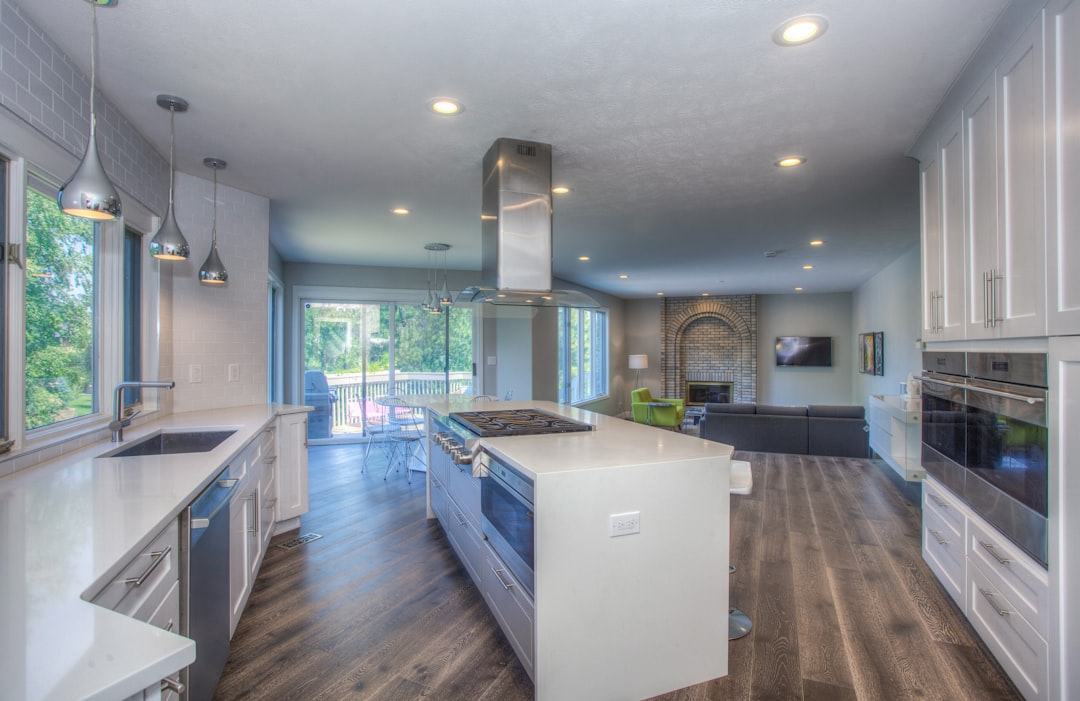
7) Finish level (where budgets commonly blow up)
Finishes are not a single “upgrade” line; they ripple through multiple trades:
- cabinetry impacts electrical, plumbing, countertops, backsplash
- tile selections change waterproofing details and labor hours
- window and door packages affect framing, trim, paint
- flooring impacts subfloor prep and leveling
- lighting packages can shift electrical scope dramatically
A “mid-grade” vs “high-grade” vs “luxury” finish strategy can swing total cost more than most people expect—especially in kitchens, baths, and exterior envelope choices.
A practical 2026 budgeting framework (useful, but still not a quote)
To make the complexity actionable, here’s a budgeting approach homeowners can use before they have a full estimate:
Step 1: Start with a range for the house-only build
For Washington in 2026, a broad planning range might look like:
- $185–$320/sq ft for many “general” statewide scenarios (source: TXR AC)
- $350–$900+/sq ft for custom builds in high-cost Seattle/Eastside contexts depending on finish and complexity (source: Emerald City Construction)
These ranges overlap because projects overlap; the point is to avoid anchoring on a single statewide average.
Step 2: Add realistic soft costs
Soft costs often include:
- architecture/design and structural engineering
- surveys and soils testing
- permit/plan review fees and special reviews
- builder’s overhead/profit (if not already included)
- construction loan fees and interest carry
- insurance
Even with a solid builder, soft costs can be a meaningful percentage of the project.
Step 3: Treat site/development as its own mini-project
Site/development is where Washington budgets go sideways. Items commonly missed early:
- driveway length, approach, culvert requirements
- stormwater infiltration systems and drainage
- rock excavation/haul-off
- utility trenching distance and transformer upgrades
- septic design, drainfield, and reserve area (if applicable)
- well depth, pump, filtration (if applicable)
- demolition and disposal (teardown builds)
- landscaping and erosion control
This is why two “2,400 sq ft homes” can differ by $250,000+ even before finish decisions.
Why “cost per square foot” fails (and what to do instead)
Cost per square foot is popular because it’s simple—but it collapses the very things that drive Washington cost swings:
- slope vs flat
- crawlspace vs basement
- standard vs custom structure
- basic vs premium envelope
- short utility runs vs long extensions
- easy permitting vs multi-step reviews
- labor availability by county and season
If you want to be confident, you need a line-item estimate that matches:
- your exact plan (rooms, rooflines, window counts, structural spans)
- your exact location (city/county fees, labor factors)
- your exact assumptions (finish level, foundation type, site conditions)
Key Takeaway: what most people get wrong about building in Washington
Washington homebuilding costs in 2026 aren’t defined by one statewide average—they’re defined by compounding variables: site work, permitting complexity, labor pressure, structural/energy requirements, and finish decisions. The only reliable way to budget is to stop asking for “the” number and start pricing your plan in your place with line-item detail.
Next step: see a real line-item report (free), then price your exact plan (cheap)
If you want to understand what a detailed estimate looks like before spending anything, start here: Try a free demo report. It’s an interactive sample that shows the kind of line-item breakdown you’d use to make real decisions.
When you’re ready to price your specific house plan for your Washington location, you can order your custom Cost To Build report for $32.95. costtobuildahouse.com has been providing cost-to-build reports for nearly 20 years, and the entire purpose is to replace guesswork with a practical, itemized budget you can actually plan around.