In this article
Free instant estimate · ~30 seconds
Quick Estimator
No sign-upRough planning range based on your inputs and current regional cost indices — not a quote. Your plan, lot, and selections move the number; the full report prices all 60+ items to your exact zip.
✓ Free — no sign-up · ✓ 60+ line items · ✓ ZIP-localized · ✓ Planning figures, not bids
Cost To Build A House In South Dakota (2026)
If you’ve been Googling “cost to build a house in South Dakota,” you’ve probably noticed a frustrating pattern: you’ll see one neat number (or a simple per-square-foot range), but it rarely matches what real builders quote.
That’s not because anyone is trying to hide the ball—new home construction is highly variable. Two homes with the same square footage can differ by tens (or hundreds) of thousands of dollars based on foundation type, site conditions, local labor availability, design complexity, and finish level.
This 2026 guide is meant to do the opposite of giving you a single “average.” Instead, it shows why costs vary so widely in South Dakota, and what you need to price accurately for your plan, on your lot, in your city.
The realistic 2026 cost range in South Dakota (and why it’s a range)
For 2026, broad market estimates put South Dakota single-family home construction in the neighborhood of ~$200–$500 per square foot depending on specification level, complexity, and local conditions. That same source notes labor rates around ~$38–$58/hour and permit costs often discussed in a wide band (roughly five figures)—all signals that “average” pricing hides a lot of moving parts. (Source: CostToConstruct South Dakota estimate page, 2026 market overview: https://costtoconstruct.com/estimate/single-family/south-dakota)
That range is intentionally wide—and it should be. Here’s what it can include:
- Lower end (roughly “builder-grade”): simpler footprint, slab or straightforward basement, standard finishes, minimal site complications, typical HVAC, standard ceiling heights, fewer upgrades.
- Middle (typical custom): basements common, upgraded windows/insulation, more electrical/plumbing complexity, mid-level cabinetry and flooring, some design features like bump-outs or vaulted spaces.
- Upper end (high-end custom): complex rooflines, premium finishes, larger spans requiring engineered components, higher-end HVAC and controls, custom cabinetry, masonry accents, extensive sitework, premium exterior packages.
A quick “sanity check” example (why quotes jump fast)
A 2,200 sq ft plan at:
- $220/sf = $484,000
- $300/sf = $660,000
- $400/sf = $880,000
Same square footage. Completely different outcome. The difference isn’t “markup”—it’s the accumulation of dozens of line items.
City and regional variation inside South Dakota
South Dakota is not one uniform pricing zone. Even if you ignore finish level, pricing is influenced by:
- Labor supply and demand (fast-growing areas can have tighter trades)
- Material logistics (delivery distances and scheduling)
- Local permitting processes and fees
- Soils, frost depth, and drainage realities
- Wind and snow-load considerations that affect structure and roofing design
In practical terms, many owners see different “cost climates” between:
- Sioux Falls metro (larger labor pool, high activity, more permitting structure)
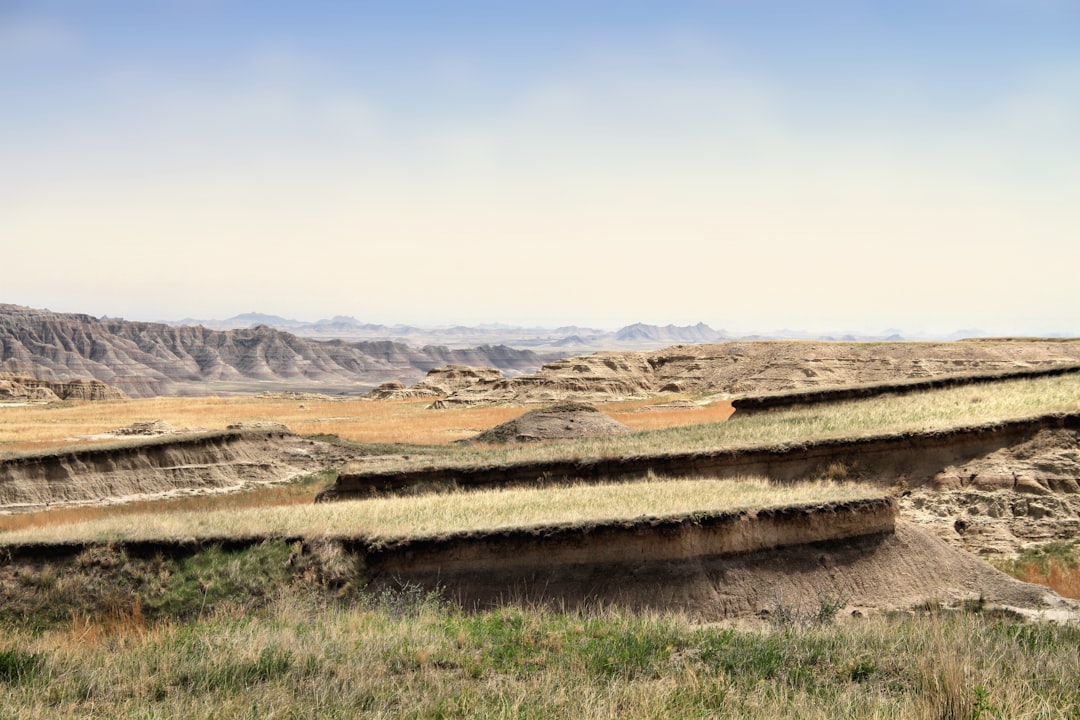
- Rapid City / Black Hills region (terrain and sitework can swing costs)
- Smaller towns and rural builds (sometimes cheaper labor, but higher mobilization, fewer bidders, and longer lead times)
Even within a single city, a flat infill lot with existing utilities is a different project than a rural acreage with a long driveway, a well, and a septic system.
Wondering what these ranges mean for your town? The free calculator above localizes them to your ZIP.
Get my South Dakota estimate ↑What “cost per square foot” misses (the real cost drivers)
Cost-per-square-foot is a shortcut metric. It’s useful for early planning, but it’s also the reason so many budgets blow up. Here are the big variables that can move your build dramatically.
1) Sitework and utilities: the hidden budget multiplier
Site costs can be modest or enormous, depending on what your lot needs:
- Clearing, stripping topsoil, grading, compaction
- Rock excavation or unsuitable soils remediation
- Driveway length and culverts
- Bringing power to the site (distance matters)
- Water/sewer taps vs. well and septic
- Stormwater management requirements in some jurisdictions
A suburban lot in Sioux Falls with curb, gutter, and nearby utilities can be “predictable.” A rural lot outside of town can add major scope—especially if you’re also building a shop, access road, or need significant grading.
2) Foundation choice: slab vs. crawlspace vs. basement
South Dakota’s climate and frost considerations often lead to basements being common, but the “best” foundation depends on your plan, lot slope, and budget.
Typical cost-impact considerations:
- Slab-on-grade: can be cost-effective, but insulation details and mechanical routing must be planned well.
- Crawlspace: can reduce excavation vs. basement, but may require more careful moisture management.
- Full basement: adds usable space and can help resale, but excavation, concrete, waterproofing, and egress requirements can drive up cost.
A walkout basement on a sloped lot can be great value—or it can become a high sitework and retaining-wall project depending on soils and design.
3) Structural complexity (the “shape tax”)
The more corners, jogs, bump-outs, and roof intersections your plan has, the more you pay in:
- Foundation forming
- Framing labor and waste
- Roofing labor and flashing details
- Siding complexity and trim
- Air sealing challenges (which can affect energy performance)
Two homes with identical square footage—one a simple rectangle and the other a “modern farmhouse” with multiple gables—will not price the same.
4) Mechanical systems: HVAC, plumbing, and electrical scope
Mechanical costs vary with:
- Home size and ceiling heights
- Duct complexity (especially with bonus rooms, vaulted ceilings, or finished basements)
- Number of bathrooms and fixtures
- Kitchen complexity (island sinks, pot fillers, gas lines, multiple appliances)
- Electrical upgrades (EV charger, larger service, generator transfer switch, extensive lighting packages)
It’s also common for owners to under-budget “invisible” upgrades: better filtration, humidification, higher-efficiency equipment, zoning, or extra ventilation.
5) Finish level: where budgets can double without changing the plan
Finishes are the easiest place for costs to drift because upgrades feel incremental:
- Flooring: LVP vs. hardwood vs. tile throughout
- Cabinets: stock vs. semi-custom vs. custom
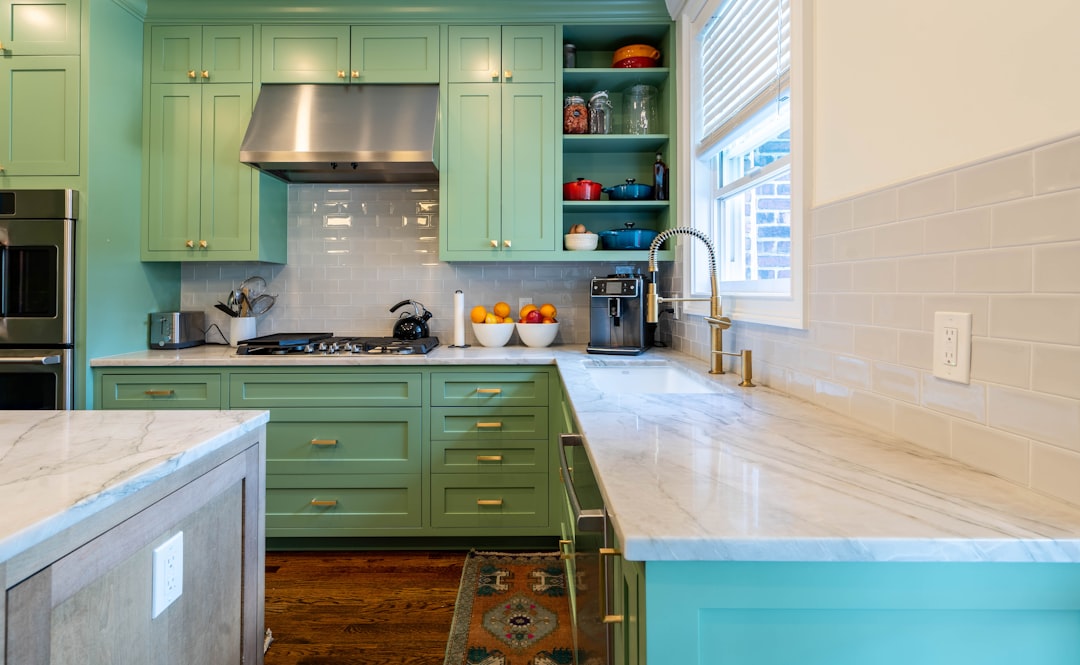
- Countertops: laminate vs. quartz vs. natural stone
- Windows: standard vs. upgraded performance packages
- Exterior: vinyl vs. fiber cement vs. masonry accents
- Interior trim: paint-grade vs. stain-grade, upgraded doors, built-ins
This is why two people can build the “same plan” and still end up $150,000 apart.
Permits and local fees: real 2026 examples (Sioux Falls)
Permitting is another area where “average” numbers can mislead because fees are often tied to valuation formulas and can differ across cities and counties.
For example, the City of Sioux Falls publishes a residential permit valuation method using per-square-foot valuation figures (used to calculate permit valuation for fee purposes). Their schedule lists valuation assumptions such as:
- Finished habitable space: $128/sf
- Finished basements: $79/sf
- Unfinished space (basement and upper levels): $41/sf
- Attached garages: $42/sf
- Detached garages: $38/sf
(Source: City of Sioux Falls “Bldg Permit Valuation/Fee Schedule” PDF, 2026 schedule file: https://www.siouxfalls.gov/files/assets/public/v/2/2025-fee-schedule.pdf)
Important context: those numbers are for permit valuation calculation, not your actual build cost. Many municipalities state these valuation schedules can lag real market costs (and the Sioux Falls document notes that residential valuation can remain “significantly short of true and actual valuations”).
What you should budget for beyond the building permit
Depending on location and scope, your “permit and fees” bucket may include:
- Building permit
- Plan review fees
- Electrical, plumbing, and mechanical permits
- Driveway/approach permits
- Water/sewer tap or impact fees (where applicable)
- Surveying and staking
- Soil tests or engineering (as required)
- Inspections and re-inspection fees (if needed)
The point: permit costs are not just one line. They’re a stack of lines, and they vary by jurisdiction.
Labor and timeline: why “waiting” can cost money
Construction isn’t just a materials story—labor availability and scheduling can change your total project cost.
The South Dakota 2026 market overview cited earlier lists labor rates approximately $38–$58/hour and notes seasonality (often favoring spring through fall). (Source: https://costtoconstruct.com/estimate/single-family/south-dakota)
In practice, timing affects:
- Whether trades are bidding aggressively or are overloaded
- Whether you pay premiums for “can you fit us in?”
- Whether weather slows excavation, concrete, framing, and exterior finishing
- Carrying costs (construction loan interest, temporary housing)
A “cheaper bid” can become expensive if it extends the schedule by months.
A practical budget framework: build cost categories to price line-by-line
Instead of chasing a single per-square-foot number, a better approach is to separate your project into categories and price them realistically:
Core construction (structure + systems + finishes)
- Foundation and concrete
- Framing and sheathing
- Roofing, siding, windows, exterior doors
- Plumbing, electrical, HVAC
- Insulation, drywall, paint
- Cabinets, countertops, flooring, tile
- Interior doors and trim
Site and project-specific costs (often overlooked)
- Site clearing, grading, excavation complications
- Utility runs, taps, meters
- Well and septic (if rural)
- Driveway and flatwork
- Landscaping and drainage solutions
- Fencing, outbuildings, retaining walls
Soft costs and contingency (budget protection)
- Design, engineering
- Permits and plan review
- Builder overhead and profit
- Construction loan fees, interest
- Contingency (often 10%–20% depending on how “final” your plans/specs are)
If you price these categories line-by-line, surprises shrink dramatically.
Why South Dakota homes can price differently than you expect
A few South Dakota-specific realities can swing estimates:
- Basements are common, and “finished basement later” plans still require upfront structure, egress planning, and mechanical routing decisions.
- Wind and snow loads can influence truss engineering, fastening, and roof assemblies.
- Rural builds are common, and rural builds tend to add “non-house” costs (driveways, utilities, wells/septic) that don’t show up in square-foot comparisons.
- Weather windows can pressure scheduling for excavation, concrete, and exterior finishes.
Key Takeaway
The “cost to build a house in South Dakota” in 2026 is not one number—it’s a moving target shaped by your plan, your lot, your city/county requirements, and your finish level.
Broad estimates may suggest something like $200–$500 per square foot statewide, but the only reliable way to budget is to break your project into line items (foundation, framing, mechanicals, finishes, sitework, permits, etc.) and price them for your exact situation.
Get a detailed, plan-specific estimate (see it before you buy)
If you want to see what a true line-item construction estimate looks like (and why it’s so different from generic per-square-foot averages), you can preview the format first.
- Try a free demo report to explore an interactive sample and see exactly what you’d receive: https://startbuild.com/store/costtobuild/demo.aspx?returnUrl=https%3A%2F%2Fcosttobuildahouse.com%2Fget-started
- When you’re ready, order your custom Cost To Build report for your specific house plan and South Dakota location for just $32.95: https://www.costtobuildahouse.com/get-started
CostToBuildAHouse.com has been providing detailed cost-to-build reports for nearly 20 years—because accurate budgeting comes from specifics, not averages.