In this article
Types Of Siding In Residential Construction (2026)
Siding sounds like a simple line item—pick a style, pick a color, move on. In real residential construction, siding is a system (cladding + water control + air sealing + flashing + trim + labor + access), and the budget impact can swing wildly based on your house plan and your build location.
In 2026, it’s common for two homes with the same interior square footage to have very different exterior surface areas, details, and install requirements—meaning siding costs can vary by tens of thousands of dollars even before you factor in regional labor markets.
This guide breaks down the major types of residential siding you’ll see in new construction and large remodels, with 2026 installed cost ranges (estimates) and the real-world variables that make siding pricing so hard to “average.”
First: how siding is actually priced (and why it’s rarely “per house”)
Most contractors and estimators start with exterior wall square footage (sometimes called “siding squares,” where 1 square = 100 sq ft). Your plan’s geometry drives that number more than most homeowners expect.
The cost drivers most people miss
- Exterior surface area vs. floor area: A 2,400 sq ft two-story often has less siding area than a 2,400 sq ft one-story ranch.
- Complex elevations: More corners, jogs, gables, dormers, bump-outs, and mixed materials = more labor and waste.
- Height and access: Two- and three-story work, steep lots, or tight setbacks often require more scaffolding/lifts.
- Trim package: Corner boards, frieze boards, belly bands, window/door trim, soffit/fascia—these can add thousands.
- Water management layers: Housewrap, rainscreen, flashings, tapes, kick-out flashing, pan flashing, weep screeds.
- Regional labor conditions: The same siding can be “routine” in one region and a specialty trade in another.
- Code and climate: High-wind zones, wildfire interface areas, coastal corrosion exposure, freeze/thaw cycles, and rain exposure all push material choices and detailing.
2026 installed cost ranges by siding type (quick comparison)
The ranges below are installed cost estimates per square foot of siding area and assume typical residential conditions. They are not quotes.
Sources for the 2026 baseline ranges (January 2026 national estimating data):
- Vinyl siding: $7.32–$12.51/sq ft installed (Homewyse, Jan 2026)
- Fiber cement siding: $8.92–$14.69/sq ft installed (Homewyse, Jan 2026)
- Wood siding: $10.46–$16.40/sq ft installed (Homewyse, Jan 2026)
- Stucco (3-coat): $10.69–$17.33/sq ft installed (Homewyse, Jan 2026)
- Aluminum siding: $8.87–$14.78/sq ft installed (Homewyse, Jan 2026)
- Brick veneer (panel-style brick veneer siding): $14.99–$24.05/sq ft installed (Homewyse, Jan 2026)
Why you should treat “per sq ft” ranges carefully
Those ranges can be optimistic for:
- Tall walls, complex rooflines, lots of windows/doors (more cutting)
- Premium trim profiles and prefinished upgrades
- GC overhead/markup (often ~13%–22% is a common allowance on top of trade totals, depending on project structure)
- Local labor shortages or seasonal peaks
Vinyl siding (PVC)
Vinyl remains popular because it’s typically one of the lowest-cost installed claddings and can be fast to install on straightforward elevations.
Typical 2026 installed cost (estimate): $7.32–$12.51/sq ft (Homewyse, Jan 2026)
Where vinyl can get surprisingly expensive
- Insulated vinyl panels
- Large amounts of trim, decorative shakes, or board-and-batten accents
- Tear-off and disposal of existing cladding (for remodels)
- High-wind detailing (more fastening requirements)
- Color selections that require premium lines (darker colors can have performance requirements)
Best fits
- Production builds
- Simple massing (colonials, basic two-stories)
- Budget-sensitive builds where the plan already includes attractive proportions and trim
Fiber cement siding (lap panels and related products)
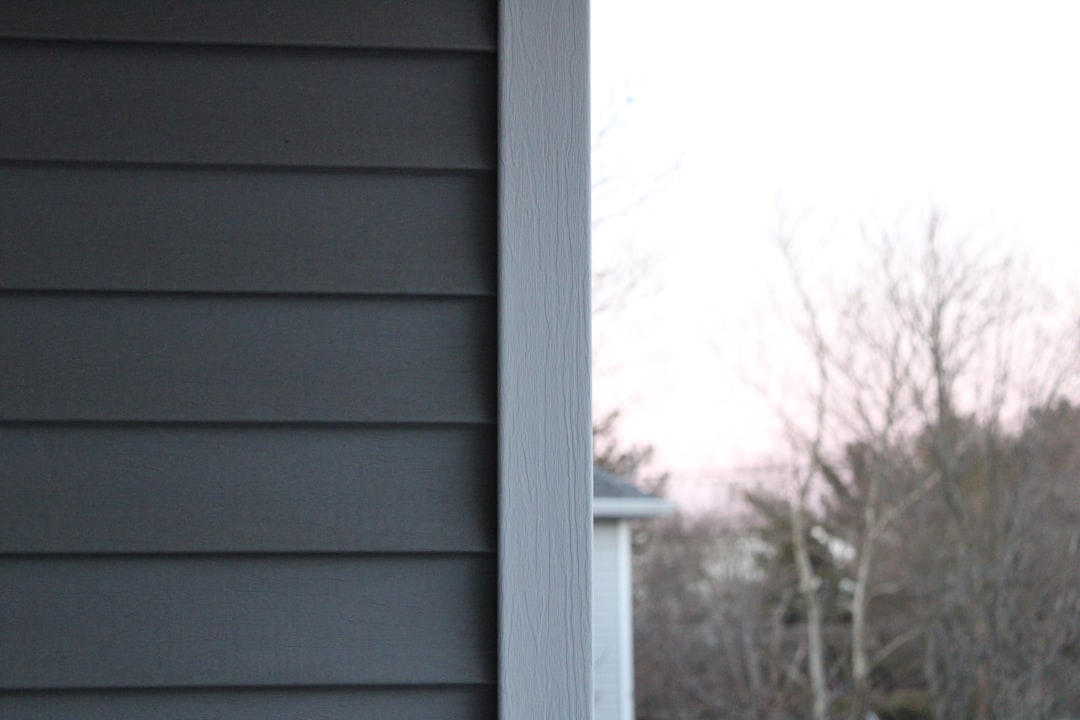
Fiber cement is a common step-up material for durability, fire resistance, and crisp profiles. It’s also labor-sensitive: cutting, handling, and fastening practices matter.
Typical 2026 installed cost (estimate): $8.92–$14.69/sq ft (Homewyse, Jan 2026)
The biggest fiber cement budget variables
- Prefinished vs. field-painted: Prefinished often costs more in material but can reduce painting scope and schedule risk.
- Reveal consistency and layout: Higher-end builds spend more time dialing in exposures, corners, and trim alignment.
- Dust control and cutting methods: Some crews price higher if they use specialized saws/controls and maintain strict practices.
- Rainscreen assemblies: In wetter climates, adding furring strips/drainage mats can increase labor and materials.
Best fits
- Many climates, especially where durability and fire performance matter
- Homes with more detailed elevations where sharper trim lines elevate curb appeal
Wood siding (cedar, pine, engineered wood look-alikes, and similar)
Real wood is valued for its look and customization, but it typically brings more maintenance planning (finishes, repainting/restaining cycles) and can raise install complexity.
Typical 2026 installed cost (estimate): $10.46–$16.40/sq ft (Homewyse, Jan 2026)
What makes wood pricing jump
- Species and grade: Clear cedar vs. knotty cedar vs. primed pine, etc.
- Finish system: Factory-primed, factory-finished, field staining
- Moisture detailing: Back-priming, rainscreens, and ventilation gaps
- Architectural details: Shingles/shakes, decorative patterns, mitered corners
Best fits
- Craftsman, cottage, coastal, and high-detail designs
- Owners who want a natural material and are realistic about upkeep cycles
Stucco (traditional 3-coat)
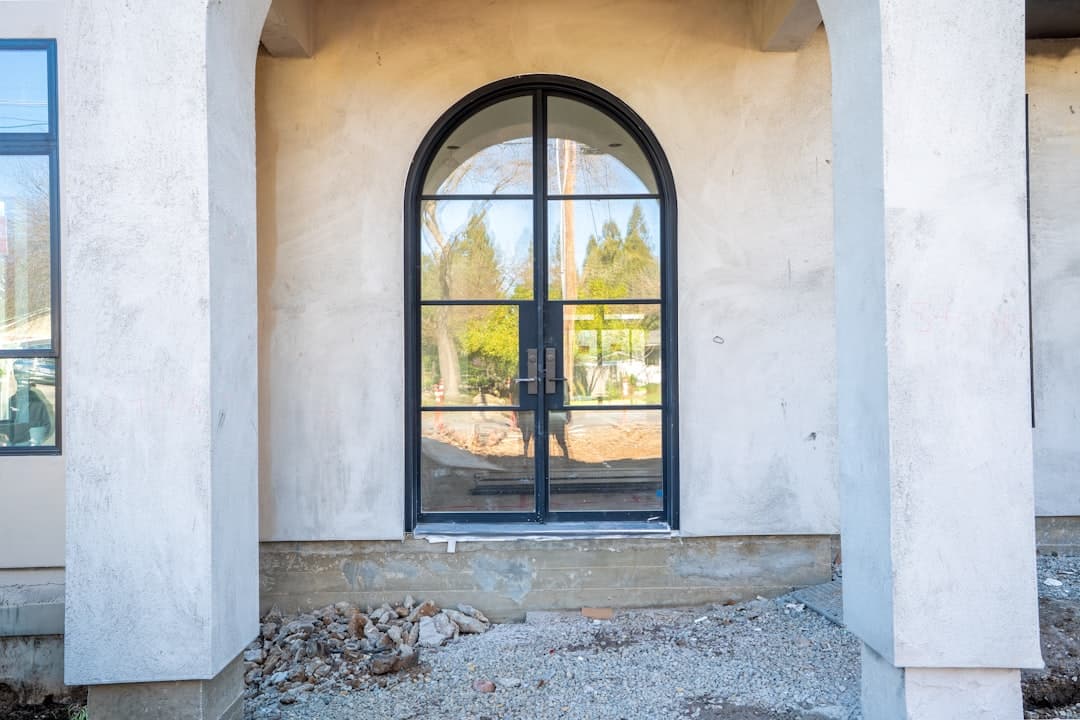
Stucco is common in many markets and can look “high end,” but it’s highly dependent on crew quality and climate-appropriate detailing.
Typical 2026 installed cost (estimate): $10.69–$17.33/sq ft (Homewyse, Jan 2026)
Stucco’s major cost (and risk) variables
- System choice: Traditional 3-coat vs. other assemblies (and local norms)
- Control joints, weeps, screeds, flashings: Proper water management detailing matters and takes time.
- Substrate prep: Sheathing type, wraps, lath installation quality
- Crack management: Geometry, curing conditions, and crew practices
In some areas, stucco may be economical because crews are abundant and the detailing is standard. In other cities, it’s a specialty scope priced accordingly.
Brick veneer (and brick-look veneer systems)
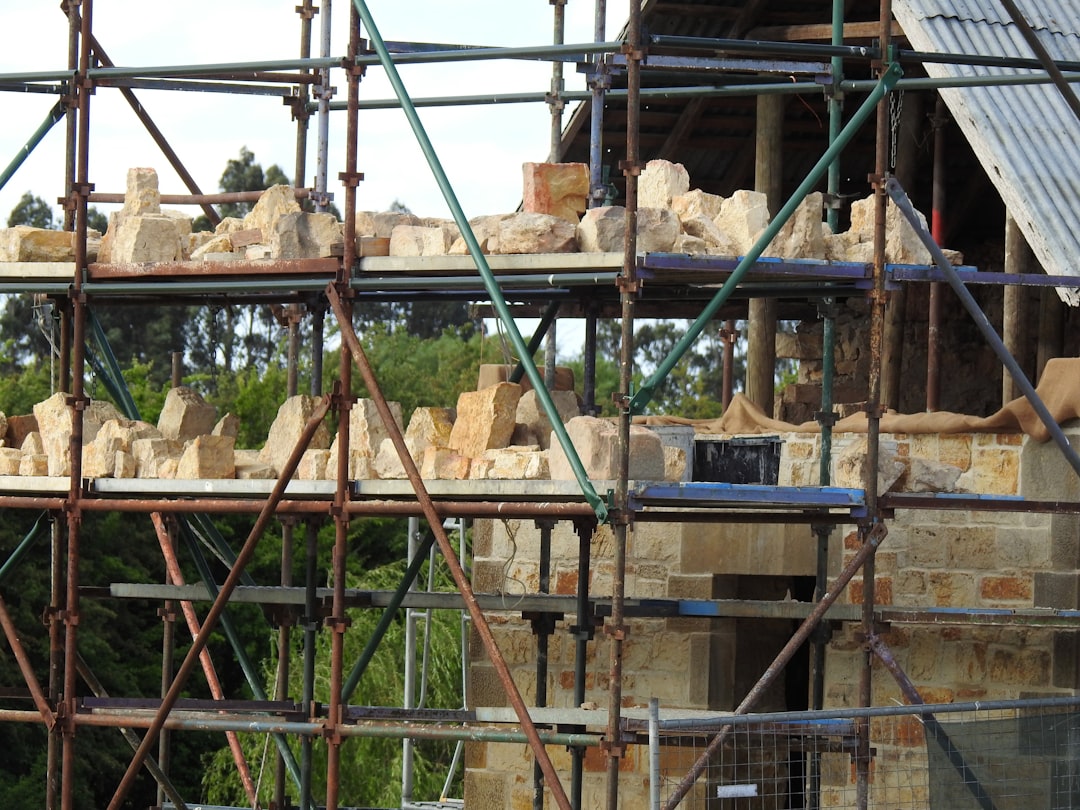
Brick is durable and classic, but masonry and veneer systems can be labor-intensive. Even when using panel-style brick veneer siding systems, the trade tends to price higher than lap siding.
Typical 2026 installed cost (estimate): $14.99–$24.05/sq ft (Homewyse, Jan 2026)
Why brick veneer varies so much by region
- Crew availability: Masonry labor can be plentiful in one metro and scarce in another.
- Detailing: Lintels, soldier courses, arches, corners, and openings increase labor.
- Structural coordination: Even veneer systems require careful integration with the wall assembly and flashings.
Best fits
- Traditional architecture
- Buyers prioritizing durability and long service life
- Areas where masonry trades are established and competitively priced
Aluminum (and the broader “metal siding” conversation)
Aluminum is less common than vinyl/fiber cement in many new builds, but it’s still used—often for specific looks, retrofits, or durability needs.
Typical 2026 installed cost (estimate): $8.87–$14.78/sq ft (Homewyse, Jan 2026)
Key variables
- Panel type and profile
- Corrosion exposure (especially coastal areas) and compatible fasteners/flashing
- Denting risk and gauge choices
“Other” siding types you’ll see (and why they’re hard to generalize)
Even when a plan says “siding,” the elevations may include multiple materials. Common add-ons include:
- Engineered wood panel/board-and-batten looks
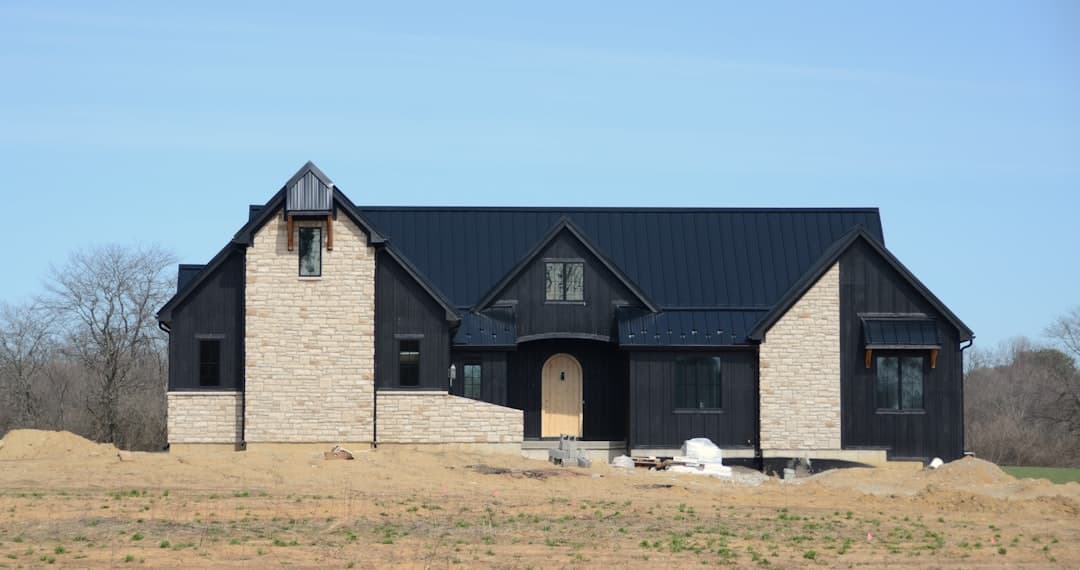
- Stone veneer accents (often used on the lower third of a façade)
- Composite panels for modern designs
- Mixed cladding packages (lap + shakes + board-and-batten + masonry)
These can make your “siding” budget less of a single line and more of a coordinated exterior package (siding + trim + paint + masonry + flashings + accessories).
Regional cost variation: why the same siding isn’t the same price everywhere
Even with national ranges, local pricing is what hits your budget.
Here’s a practical way to think about it:
1) Labor market and seasonality
Siding is labor-heavy. In a hot construction market, crews book out and rates rise. In slower seasons, pricing can soften—unless weather makes installation harder (cold weather limitations, rain delays, etc.).
2) Climate-driven detailing
A code-minimum wall assembly in a dry climate may differ substantially from what’s common in:
- Wet coastal climates (more emphasis on drainage and corrosion resistance)
- Freeze/thaw regions (material movement and moisture control)
- High wind / hurricane zones (fastening schedules and accessory requirements)
- Wildland-urban interface areas (noncombustible cladding preferences, ember-resistant detailing)
3) Access and site constraints
A tight urban lot (think infill) can raise costs for:
- Material staging
- Lift/scaffold access
- Work hours and noise restrictions
- Debris hauling and disposal logistics
A “realistic scenario” example: how costs diverge fast
Let’s say two homeowners both say they’re building a “2,400 sq ft home.” That sounds comparable—until you estimate siding area.
- Home A: 2,400 sq ft two-story, simple rectangle footprint
- Home B: 2,400 sq ft one-story with multiple wings, lots of corners, taller great-room wall, heavy trim
Home B might have hundreds of extra square feet of exterior wall area, plus more cutting, more flashing points, more staging time, and more waste. Multiply that by even a modest $3–$8 per sq ft difference and you’re quickly talking $5,000–$25,000+ swings—sometimes more when you add masonry accents, upgraded trim, and paint.
What a good siding budget should include (beyond the cladding itself)
If you’re trying to avoid change orders, your siding number should account for:
- Wall wrap / WRB and tape details
- Flashings (windows/doors, roof-to-wall kick-outs, deck ledger interfaces)
- Trim and soffit/fascia scope
- Caulking and sealant packages
- Paint or finish coats (if field-finished)
- Scaffolding/lifts where needed
- Waste factors and cutting loss (more on complex elevations)
- GC coordination, overhead, and scheduling impacts
Key Takeaway
Siding isn’t just “vinyl vs. Hardie vs. brick.” In 2026, installed siding costs are highly sensitive to your plan’s exterior surface area, elevation complexity, trim scope, wall assembly details, and your local labor market. National ranges (even good ones) are useful for early planning—but the only way to budget responsibly is to estimate siding as part of a line-item, location-specific build cost.
See your siding costs (and all the connected line items) for your exact plan
If you want to understand what siding will really cost on your house—based on the specific elevations, square footage, finishes, and where you’re building—start by seeing what a professional-style breakdown looks like.
- Try a free demo report to explore the interactive format and level of detail before you buy.
- When you’re ready, you can order your custom Cost To Build report for your specific house plan for just $34.95.
Costtobuildahouse.com has been providing detailed cost-to-build reports for nearly 20 years—because construction pricing isn’t one-size-fits-all, and the details are where budgets are won or lost.