In this article
Site Work And Utilities When Building A House (2026)
If you’ve ever priced a set of house plans and thought, “Now I just need to build it,” site work and utilities are where that idea meets reality.
In 2026, many homeowners discover (too late) that the house itself is only part of the budget. The ground you build on—and how your future home connects to power, water, sewer/septic, drainage, and access—can swing costs from “pretty normal” to “how is this even possible?” fast.
This article breaks down what “site work and utilities” typically includes, shares real 2026 cost ranges (estimates) with sources, and—most importantly—shows why these costs vary so widely by location, lot conditions, and your specific plan.
What counts as “site work and utilities”?
Depending on your builder and region, site work can include some or all of the following:
- Surveying, staking, and site engineering
- Permits, plan review, utility applications/impact fees
- Clearing, grubbing, tree removal, demolition
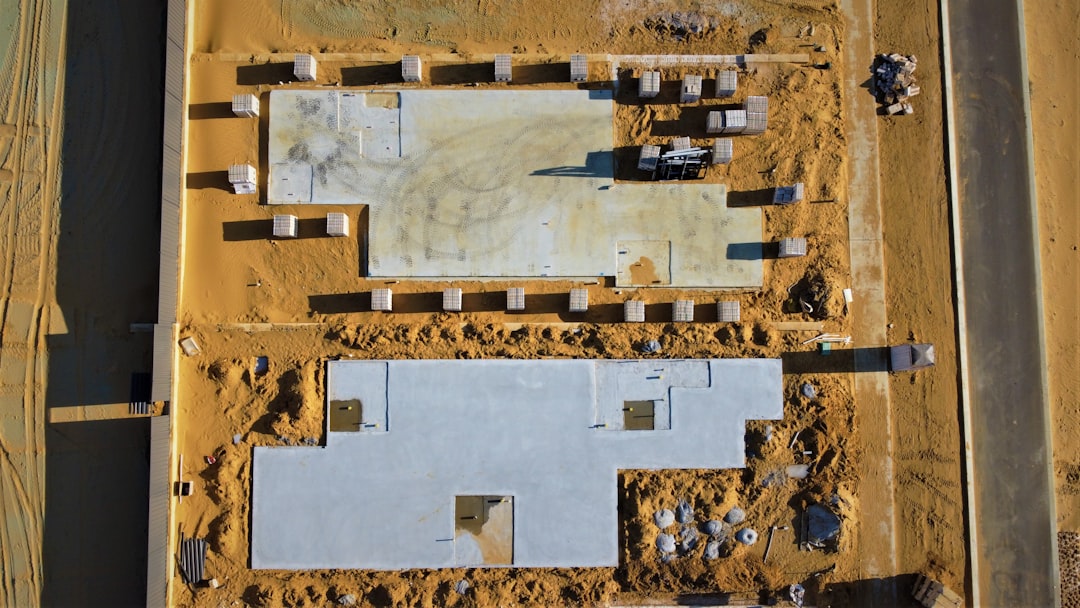
- Earthwork: excavation, grading, compaction, hauling/export
- Temporary construction utilities (temporary power pole, temp water)
- Trenching for utilities
- Stormwater and drainage: swales, culverts, dry wells, catch basins, erosion control
- Driveway/approach and sometimes sidewalks
- Water service (municipal) or well
- Sewer service (municipal) or septic system
- Electric service (overhead or underground), sometimes transformer upgrades
- Gas service (where available)
- Telecom conduit (varies—sometimes homeowner-funded)
The tricky part: two homes with the same floor plan can have dramatically different site costs because the lot and jurisdiction change everything.
2026 reality check: why site costs vary more than almost any other line item
Here are the biggest “cost multipliers” that turn a modest site budget into a major expense.
1) Distance to the connection point (the “long driveway problem”)
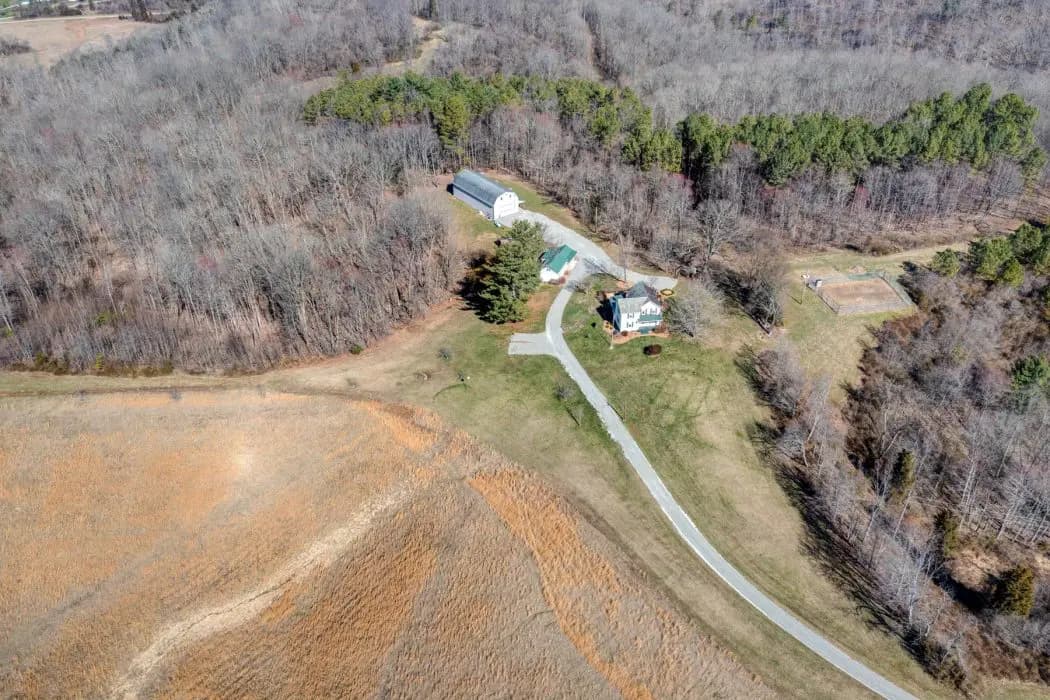
A suburban infill lot with utilities at the curb is one thing. A rural parcel where the house sits 600–1,200 feet off the road is another.
Electric, water, sewer, gas, and even internet all get more expensive with distance—and the costs aren’t just “per foot.” Long runs often trigger:
- Larger wire/pipe sizing
- More trenching and backfill
- Road/ditch crossings
- Boring under driveways
- Easements, inspections, and utility company requirements
2) Soil, rock, and groundwater (the “digging tax”)
Excavation is not priced like pouring concrete. It’s priced like risk.
According to Angi’s 2026 excavation cost data, residential excavation averages $3,978 with a typical range of $1,659 to $6,709, and can go much higher depending on conditions. They also cite labor around $120–$150/hr, plus soil-type adders and hauling costs.
Source: https://www.angi.com/articles/excavation-costs.htm
If your lot has:
- Shallow bedrock
- Heavy clay
- High water table
- Unstable fill
- Tight access (can’t get equipment close)
…your excavation and backfill plan can change completely.
3) Slope and drainage (the “water has to go somewhere” rule)
A flat lot might need basic grading. A sloped lot may need:
- Imported fill
- Retaining walls (often outside “site work” allowances)
- Step-down foundations
- More complex stormwater control
And in many jurisdictions, stormwater requirements have become more technical (and expensive) than homeowners expect—especially in newer subdivisions or environmentally sensitive areas.
4) Jurisdictional fees and inspections
Even if your soil is perfect, local rules can add thousands:
- Tap fees / impact fees
- Utility availability charges
- Street cut permits
- Erosion control plans
- Multiple inspections (trench, pressure tests, septic, electrical service)
These can be city-specific, and they change over time.
Typical 2026 site work cost categories (with ranges)
Below are 2026 estimated ranges meant to illustrate variability. Your actual budget may be outside these ranges depending on conditions.
Clearing, grubbing, and basic site prep
On paper, “clear the lot” sounds simple. In practice it can include tree removal, stump grinding, hauling, and restoring access for equipment.
- Light clearing on a mostly open lot: $1,500–$5,000 (estimate)
- Heavier wooded lot clearing: $5,000–$20,000+ (estimate)
Why it varies: tree size/count, disposal rules, equipment access, protected trees, seasonal restrictions.
Excavation, grading, and hauling
Angi’s 2026 data shows how broad excavation pricing can be:
- Typical residential excavation range: $1,659–$6,709 (average $3,978)
Source: https://www.angi.com/articles/excavation-costs.htm - Dirt hauling: $8–$25 per cubic yard (as cited by Angi)
Source: https://www.angi.com/articles/excavation-costs.htm - Grading/leveling: can range from hundreds to several thousand depending on slope and drainage needs (Angi notes $400–$6,500 for grading/leveling as an average range)
Source: https://www.angi.com/articles/excavation-costs.htm
The hidden swing factor: whether excavated soil can be reused on-site or must be exported (and whether you must import engineered fill back in).
Utilities in 2026: what you might pay (and why it changes by city)
Sewer connection (municipal)
If sewer is available at the street, your costs can be “reasonable.” If the main is far away—or if the city requires upgrades—costs jump quickly.
Angi’s 2026 sewer line installation data shows:
- Average sewer line installation: $3,464 (range $1,422–$5,757)
- Sewer line installation cost per linear foot: $50–$250 per linear foot
- Trenching: about $800 per 100 linear feet
- Permits: $400–$1,600 (average around $1,000)
Source: https://www.angi.com/articles/how-much-does-installing-sewer-line-cost.htm
They also note the cost to hook up to city water/sewer can vary widely, citing $500 to $20,000 depending on local requirements and property changes.
Source: https://www.angi.com/articles/how-much-does-installing-sewer-line-cost.htm
City-level examples (illustrating regional variation)
Angi provides sample average sewer line installation costs by city (not a full market study, but useful as a comparison point):
- Boston: $2,420
- Chicago: $2,310
- Miami: $1,760
- Los Angeles: $4,130
- Portland: $4,160
- New York: $3,400
- Houston: $2,940
- Dallas: $1,630
Source: https://www.angi.com/articles/how-much-does-installing-sewer-line-cost.htm
What to learn from that list: you can’t safely budget from a national average. Even within the same state, fees and conditions can differ.
Septic system (when sewer isn’t available)
Septic isn’t just “a tank.” It’s a system designed around your soil and groundwater.
Angi’s 2026 septic system cost data shows:
- Typical installed range: $3,600–$12,485 (average $8,039)
- Drain/leach field installation: $5,000–$12,000
- Soil/perc tests: $700–$2,000
- Septic permits (varies widely): $450–$2,300
Source: https://www.angi.com/articles/what-does-it-cost-install-septic-system.htm
Where septic gets expensive fast:
- Failed perc test → engineered system required
- High water table → mound system or other alternatives
- Small lots → limited drain field layout options
- Local health department requirements (setbacks, reserve area)
For planning purposes, many rural builds should at least consider a “what if it’s engineered?” contingency. Engineered systems can push total costs well beyond basic ranges.
Electric service (from road to house)
Power can be one of the biggest surprises on rural lots, especially when the house is far from the pole or transformer.
Angi’s 2026 cost to run electric from the road to your house reports:
- Typical range: $4,000–$20,000 (average $12,250 for ~500 ft in their example context)
- 500 feet: Underground $5,000–$12,500; Overhead $4,000–$7,500
- 1,000 feet: Underground $10,000–$25,000; Overhead $8,000–$15,000
- Trenching for electrical service: $4–$12 per linear foot
- Permit costs (electrical service): $500–$2,000
Source: https://www.angi.com/articles/how-much-would-it-cost-run-new-electric-service-existing-power-pole-approximately-1000-ft.htm
Important nuance: utilities sometimes cover part of the run, sometimes none, and sometimes require homeowner-funded upgrades (like a transformer). The only way to know is to request a site-specific utility “line extension” quote.
Driveway and site access (often underestimated)
Builders need access early. Concrete trucks and framing deliveries need it later. And municipalities may have approach/culvert rules at the road.
Concrete Network’s 2026 driveway pricing suggests:
- Plain concrete driveway: $5–$8 per sq ft
- Decorative concrete: $8–$21+ per sq ft
- Typical national total: roughly $3,200–$13,000 depending on size and finish
Source: https://www.concretenetwork.com/concrete/concrete_driveways/cost.html
A short suburban driveway may be a few thousand dollars. A long rural driveway (with base prep, drainage, and widening/turnarounds) can become a substantial site cost even before you choose concrete vs. gravel.
A practical 2026 budgeting framework (useful before you own the lot)
If you’re still shopping for land, think in tiers rather than a single number:
Tier 1: “Easy lot” (lowest site cost risk)
- Flat or gently sloped
- Utilities at street
- No rock, no wet soils (or proven good soils)
- Standard driveway length
Site work + utilities might be: $15,000–$40,000 (estimate)
Tier 2: “Normal but variable”
- Moderate slope, some trees
- Utilities at street but longer runs across the lot
- Some export/import dirt
- More drainage work
Site work + utilities might be: $35,000–$80,000 (estimate)
Tier 3: “Challenging lot” (the big swings happen here)
- Long distance to road utilities
- Rock blasting, high groundwater, or poor soil
- Engineered septic or major stormwater requirements
- Significant retaining or complex access
Site work + utilities might be: $80,000–$200,000+ (estimate)
These tiers aren’t meant to scare you—they’re meant to show why a “cost per square foot” guess can be dangerously incomplete without the site variables.
What you should ask for (so your bids aren’t missing thousands)
When you’re gathering estimates, site work gets underestimated when scope is vague. These questions help you compare apples-to-apples:
-
What exactly is included in “site work allowance”?
- Clearing? Export dirt? Import fill? Finish grading? Erosion control?
-
Who pays utility company fees and line extension costs?
- Ask for written utility quotes where possible.
-
How is driveway/access handled during construction vs. final?
- Temporary gravel access vs. finished paving can be priced separately.
-
What tests/engineering are assumed?
- Soil bearing, perc test, survey, and any required civil drawings.
-
What happens if rock or unsuitable soil is encountered?
- Is there a unit price schedule (per cubic yard, per hour, per load)?
Key Takeaway: site work and utilities are where “national averages” break down
In 2026, site work and utilities can be one of the most variable parts of building a house because they depend on factors you can’t see in a floor plan: soil, slope, access, distance, and local rules.
- Excavation alone can range from $1,659–$6,709 on typical residential projects (and go higher for difficult conditions).
Source: https://www.angi.com/articles/excavation-costs.htm - Sewer line installs can run $50–$250 per foot, plus permits and trenching, with real city-to-city cost variation.
Source: https://www.angi.com/articles/how-much-does-installing-sewer-line-cost.htm - Septic systems can range from $3,600–$12,485 (and jump when engineered solutions are required).
Source: https://www.angi.com/articles/what-does-it-cost-install-septic-system.htm - Running electric can range widely—Angi cites $10,000–$25,000 for 1,000 feet underground in many cases.
Source: https://www.angi.com/articles/how-much-would-it-cost-run-new-electric-service-existing-power-pole-approximately-1000-ft.htm
That’s why the right question usually isn’t “What does site work cost?” It’s: What will site work cost for my plan on my lot in my county?
Next step: see what a real line-item estimate looks like (before you buy)
If you want to understand how all these moving parts turn into a real budget, the fastest way is to look at a true line-item report.
costtobuildahouse.com has been providing detailed cost-to-build reports for nearly 20 years, and the whole point is to show you the full scope—so you’re not surprised by site work, utilities, permits, and all the “invisible” costs.
1) Try it first (free)
Start with the demo so you can see exactly what you’d get: Try a free demo report.
2) Then price your specific plan
When you’re ready, you can order your custom Cost To Build report for $32.95—built around your plan and location so you can budget with far more confidence.